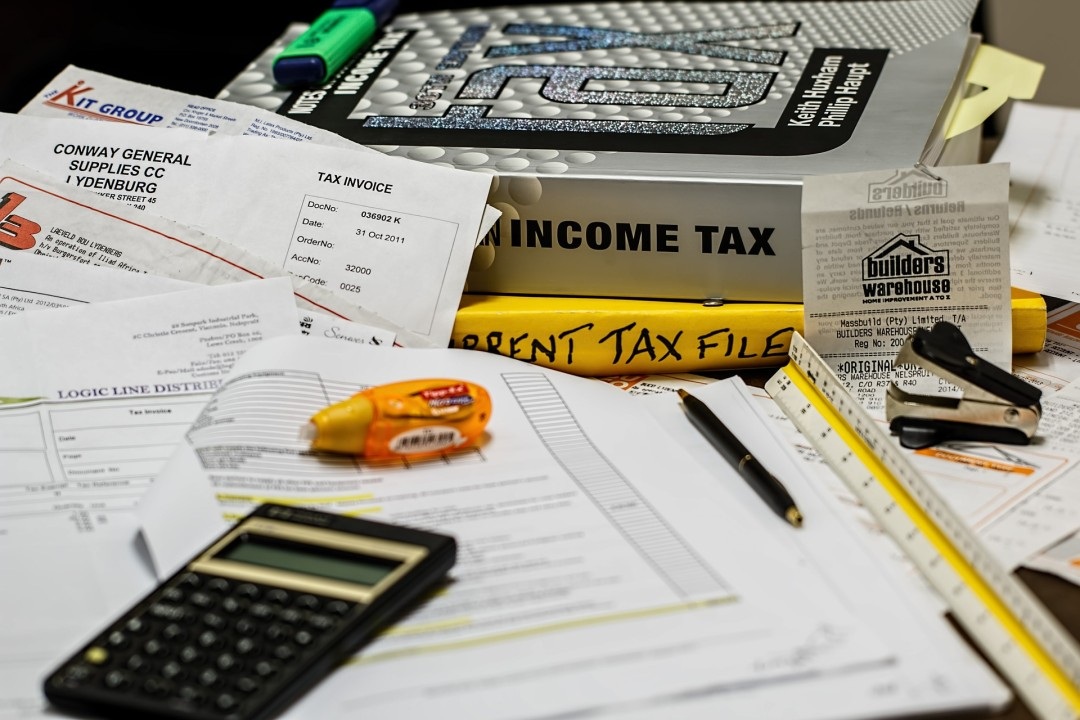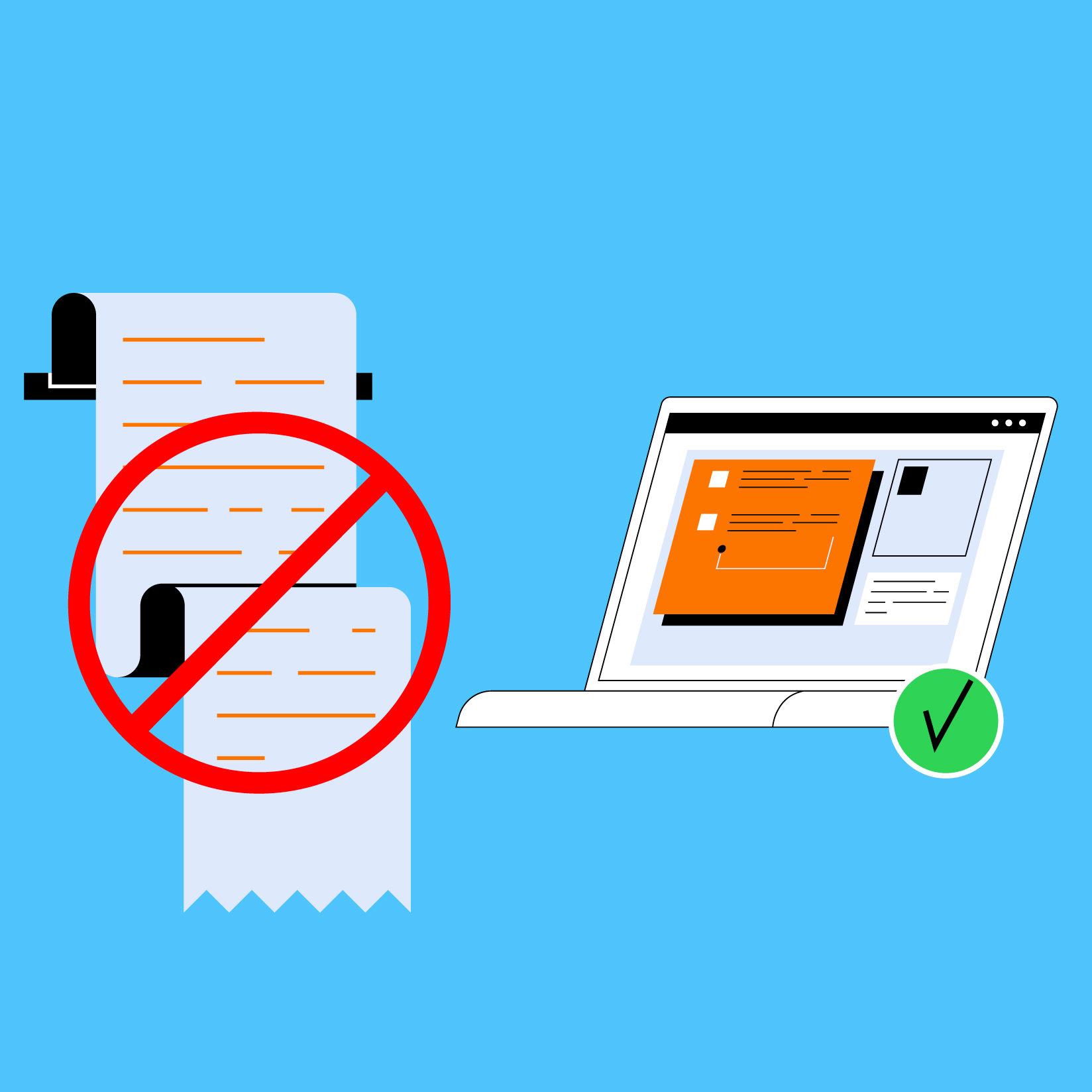
Paperless accounting means capturing, storing, and managing financial records digitally rather than relying on physical receipts, invoices, and ledgers, and it is becoming increasingly practical and important for Kenyan small businesses.
Digital records are searchable in seconds, protected against physical loss or damage, and take up no physical office space, offering considerable practical advantages over traditional paper-based systems.
Business owners sometimes worry about the technical complexity or cost of going paperless, but modern tools have made the transition considerably simpler and more affordable than most assume, particularly for businesses starting gradually.
Rather than digitizing years of old paperwork all at once, most businesses successfully transition by digitizing new documents going forward while gradually working through a backlog of older records over time.
A service purpose-built for Kenyan SMEs, such as paperlesskenya.co.ke, handles the practical details of secure, organized digital storage, letting a business owner focus on running the business rather than managing a filing system.
Paperless accounting is no longer a luxury reserved for large companies; it is an increasingly accessible, practical step any Kenyan SME can take toward better financial management.
This depends on business complexity, but even a brief quarterly check-in, beyond the annual filing conversation, helps catch issues early and keeps tax planning proactive rather than reactive.
Paperless accounting is now an accessible, practical step for any Kenyan SME, not a luxury reserved for larger companies.
Choose just one document type, such as this week's receipts, and commit to capturing it digitally rather than on paper, expanding the habit gradually from there.
Paperless accounting is now a genuinely accessible step for any Kenyan SME, not a luxury reserved only for larger companies.
 Paperless