Kenya's Data Protection Act establishes obligations for businesses that collect and process personal data, whether customer contact details, payment information, or employee records, and these obligations apply to small businesses, not just large corporations.
Businesses processing personal data are generally required to have a lawful basis for doing so, handle the data securely, and, depending on the scale of processing, may need to register with the Office of the Data Protection Commissioner.
Customer data collected for one purpose, such as delivery, should not be repurposed for unrelated uses, such as unsolicited marketing, without appropriate consent, since doing so can breach the Act's requirements.
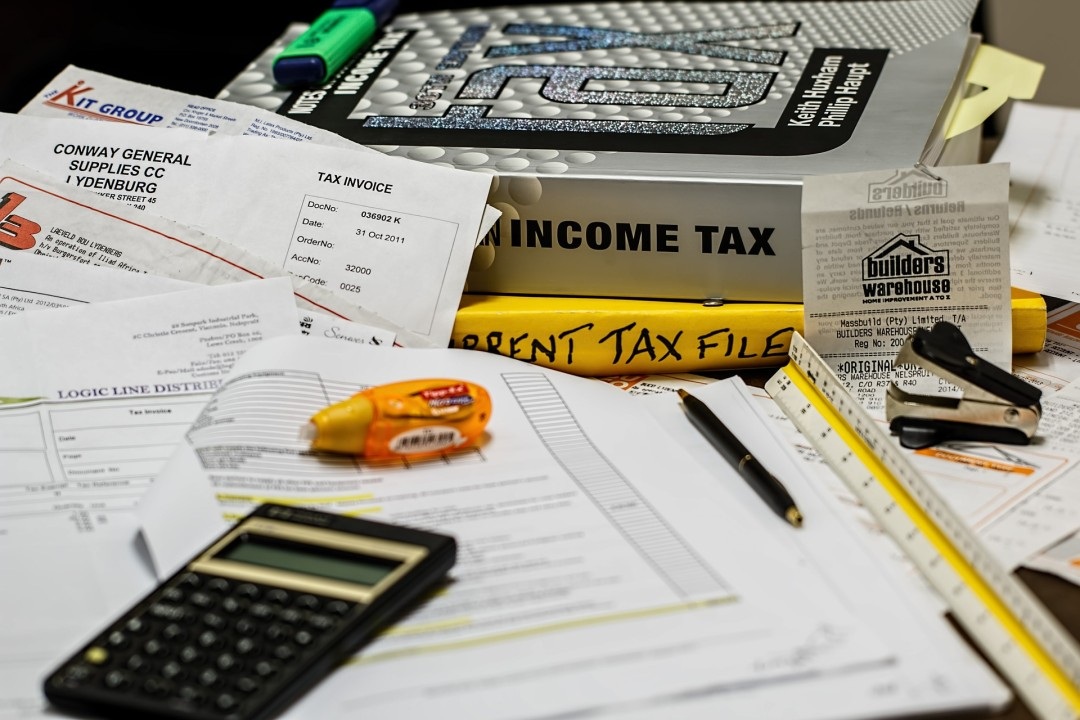
Small businesses should also consider how securely customer data is stored, whether in paper form or digitally, since both physical and digital records carry risks if not properly protected against loss or unauthorized access.
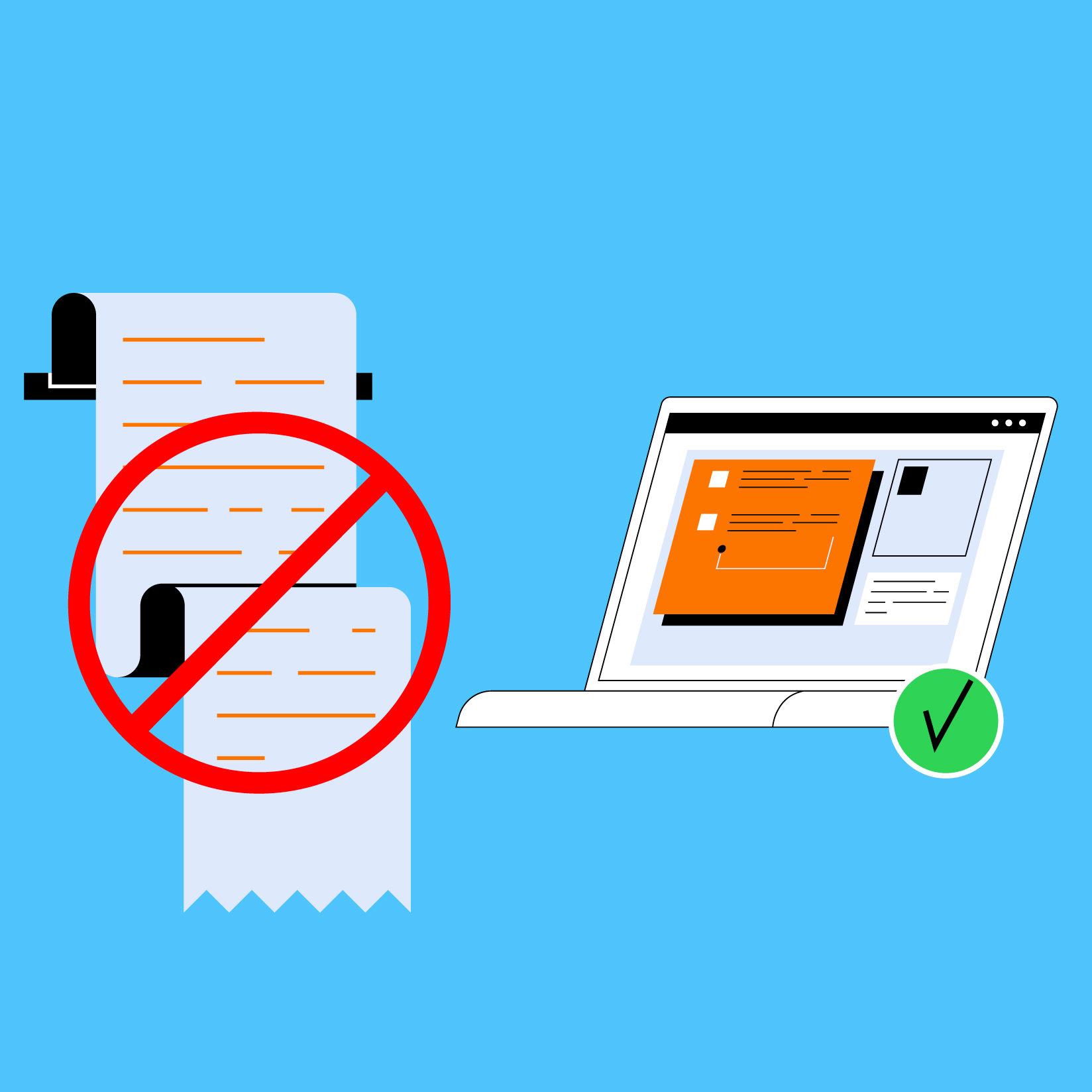
Businesses that move toward organized, access-controlled digital record keeping, using a service like paperlesskenya.co.ke, are often better positioned to meet data protection expectations than those relying on loosely secured paper files or informal digital storage.
Businesses handling meaningful volumes of personal data should also have a clear, simple process for responding to a customer request to access or delete their own data, since these rights are a core feature of most modern data protection frameworks and businesses unprepared to respond may find themselves in a difficult position if such a request arrives unexpectedly. Training staff on basic data handling principles, even briefly, further reduces the risk of accidental mishandling that could otherwise expose the business to compliance issues.
Businesses that build basic data protection habits early consistently avoid the compliance gaps that a more reactive approach tends to create.
Businesses that build basic data habits early consistently avoid the compliance gaps a reactive approach tends to create.
This steady, deliberate approach is, in the end, one of the more accessible and genuinely valuable ways any small business can strengthen its long-term prospects.
 Paperless