Many Kenyan businesses experience significant seasonal swings in demand, whether tied to school term openings, festive holidays, harvest seasons, or back-to-school shopping periods. Managing cash flow through these cycles requires planning well ahead of the actual peak or slow period.
During high seasons, it can be tempting to spend freely on stock and staff to meet demand, but setting aside a portion of peak-season profit for the leaner months that inevitably follow is essential to avoiding a cash crunch later in the year. Reviewing at least a full year of past sales data, where available, helps predict these cycles with more confidence than guesswork.
During slow periods, businesses can reduce non-essential spending, negotiate flexible terms with suppliers and landlords where possible, and consider diversifying income streams that are less tied to the same seasonal pattern, helping smooth out revenue across the year.
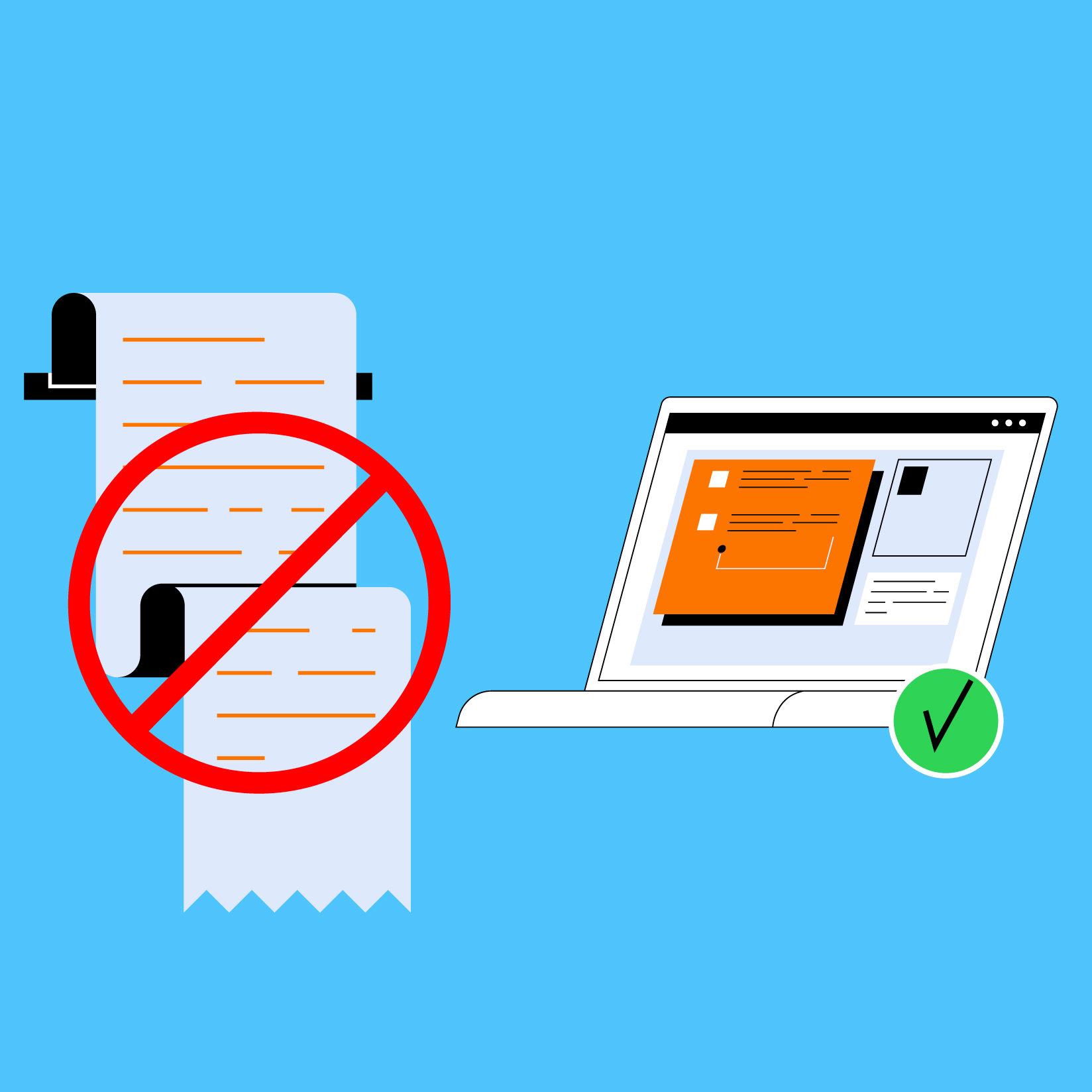
Understanding a business's seasonal pattern is only possible with historical sales and expense data organized well enough to compare year over year. Businesses that keep digital records consistently, through a platform such as paperlesskenya.co.ke, are able to identify these patterns clearly and plan financing or stock decisions with much greater confidence than those relying on memory alone.
Businesses that identify their seasonal pattern clearly can also use quieter periods productively, using the extra time for staff training, equipment maintenance, or planning improvements that are harder to fit in during the busiest weeks of the year.
Businesses should also consider diversifying, where practical, into products or services with a different seasonal pattern, which can smooth overall revenue across the year even if each individual line remains seasonal on its own.
Understanding seasonal patterns turns a source of annual stress into a predictable, manageable part of running the business.
Businesses that plan around their own seasonal rhythm consistently outperform those that simply react to each cycle as it arrives.
 Paperless