Business valuation is relevant not only when selling a business but also for raising investment, planning succession, or simply understanding the value being built over time, and several different methods exist for arriving at an estimate.
The earnings multiple approach values a business as a multiple of its profit, with the specific multiple depending heavily on industry norms, growth prospects, and the perceived risk associated with the business's future earnings.
Discounted cash flow valuation estimates the present value of a business's expected future cash flows, offering a more detailed approach that suits businesses with reasonably predictable future performance but requires more assumptions and analysis.
Asset-based valuation, most relevant for businesses with significant tangible assets, totals the value of what the business owns after subtracting liabilities, though it may understate the value of businesses built primarily on relationships or brand.
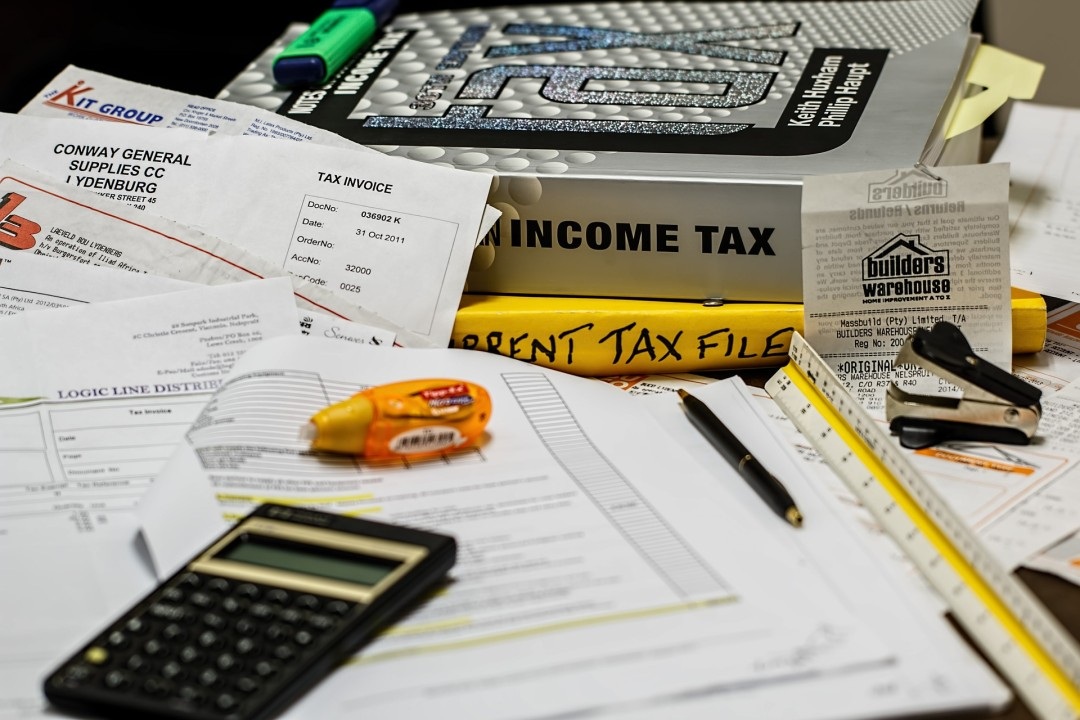
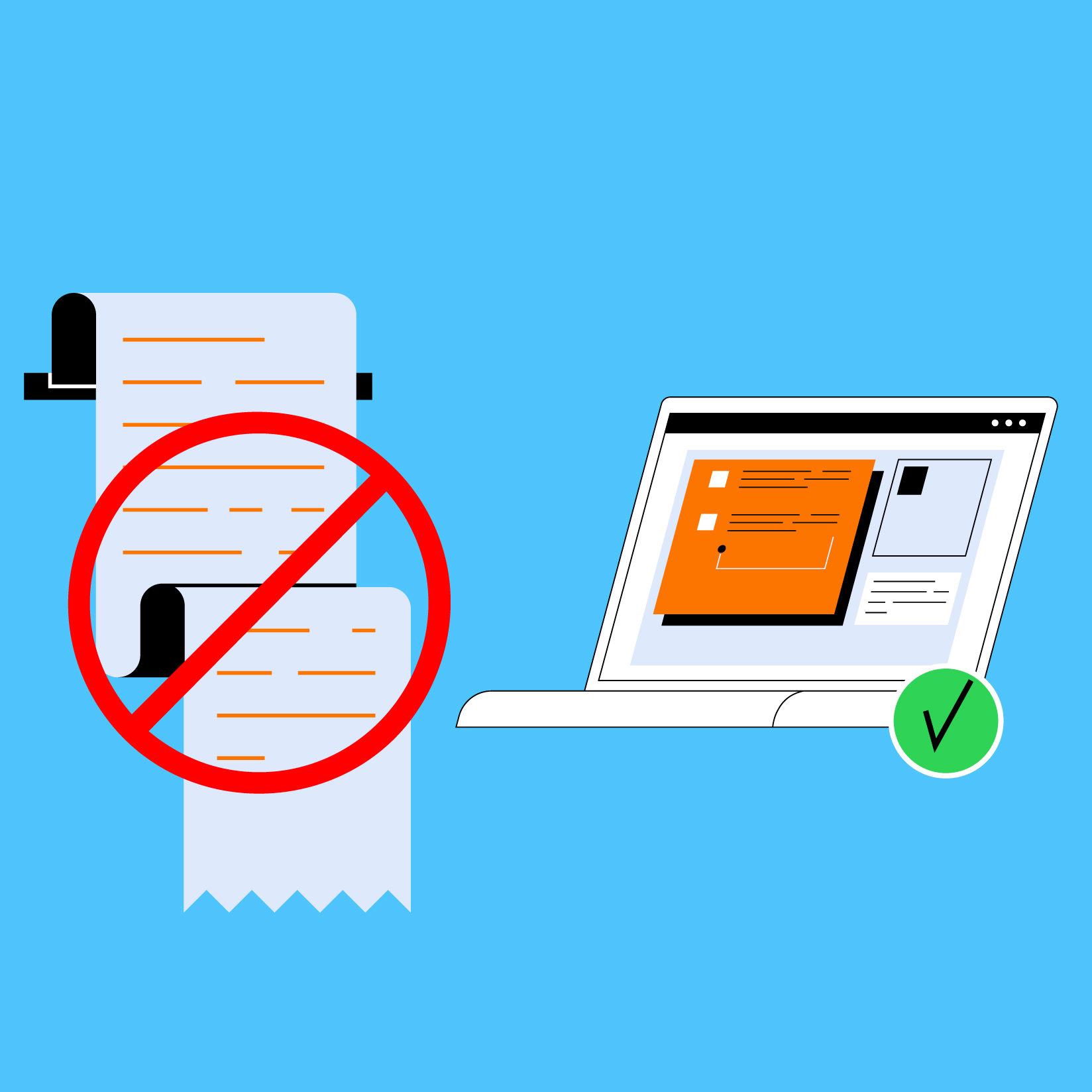
Whichever method is used, the accuracy of any valuation depends heavily on the quality of the underlying financial data, making organized historical records, supported by a service like paperlesskenya.co.ke, essential to a credible valuation exercise.
Business owners considering a valuation exercise, even informally, should be prepared for the process to reveal uncomfortable truths about aspects of the business that reduce its value, such as excessive dependence on the owner or a customer base concentrated among too few clients, and should view these findings as valuable diagnostic information rather than simply an unwelcome number, since addressing them proactively can meaningfully increase the business's eventual value well before any actual sale or investment conversation takes place.
Businesses that treat valuation as an ongoing diagnostic tool, not just a one-time sale exercise, consistently build more valuable businesses over time.
Businesses that treat valuation as an ongoing diagnostic tool, not a one-time exercise, consistently build more valuable businesses over time.
This steady, unglamorous practice remains one of the most reliable investments a small Kenyan business owner can make in their own long-term future.
 Paperless