Home-based businesses, from online sellers to consultants to small-scale producers, are common across Kenya, and while they avoid the cost of separate commercial premises, they still require disciplined financial management to succeed.
Even without a dedicated commercial location, separating business and personal finances remains essential, and a dedicated business bank account or mobile money line should still be maintained regardless of where the business physically operates.
A reasonable, documented portion of home-related costs, such as electricity, internet, or a share of rent, may be legitimately claimed as a business expense where the home genuinely supports business operations, though this should be calculated carefully and consistently.
Home-based business owners should also consider how growth might eventually require moving to dedicated premises, and tracking revenue and space constraints over time helps identify the right moment to make that transition.
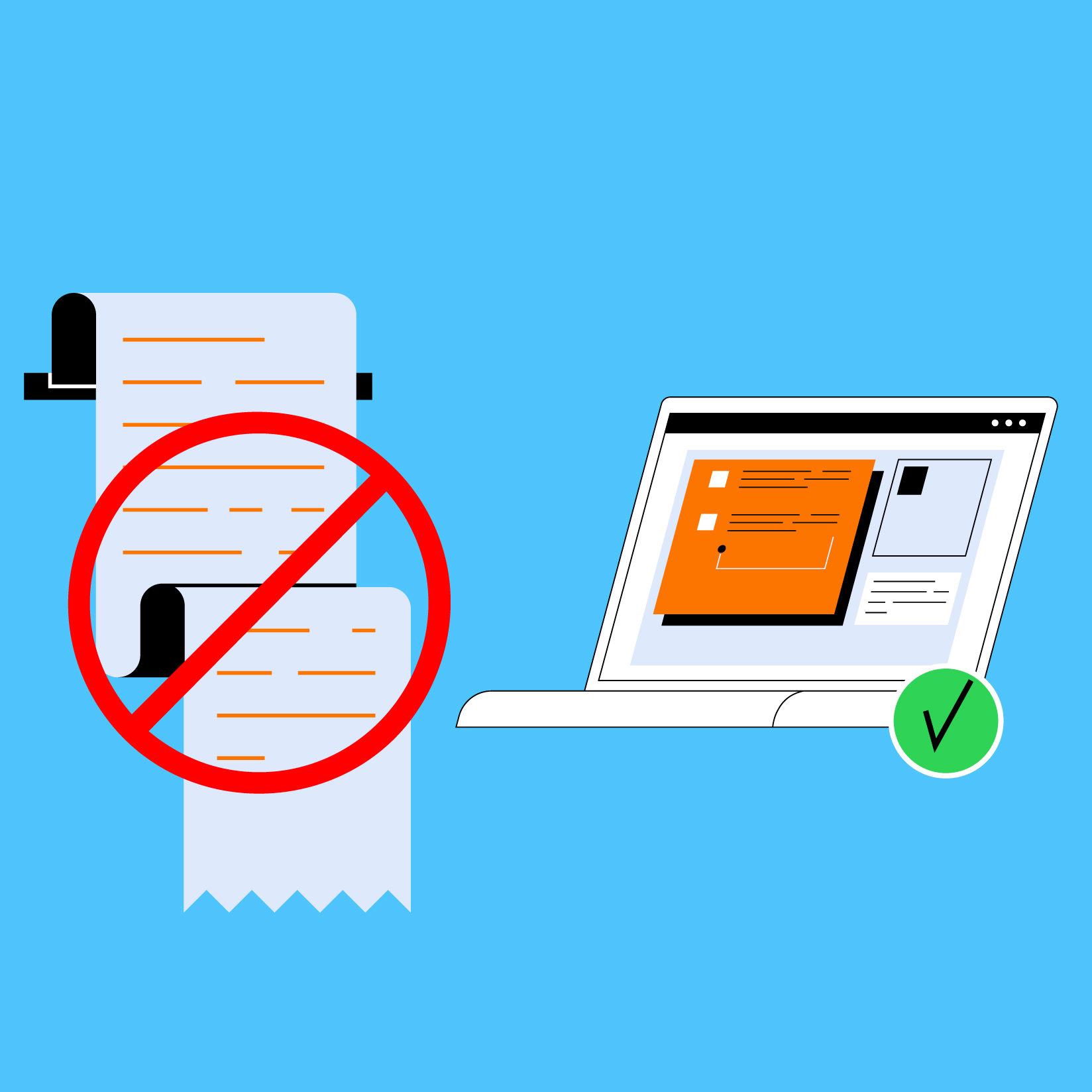
Maintaining organized digital records from the very beginning, using a service like paperlesskenya.co.ke, gives home-based business owners the same level of financial clarity and tax readiness as a business operating from a formal commercial location.
Home-based business owners should also research any specific county or estate-level restrictions on operating a business from a residential property, since some areas have rules regarding signage, customer visits, or noise that could affect certain types of home-based operations and are worth understanding before they become an unexpected complication. As the business grows, periodically reassessing whether continuing to operate from home remains genuinely cost-effective, once factors like space constraints and professional image are properly weighed, helps ensure the decision continues to reflect the business's actual current needs.
Even without dedicated commercial premises, disciplined financial habits consistently give a home-based business genuine clarity and tax readiness.
Even without dedicated premises, disciplined habits consistently give a home-based business genuine clarity and tax readiness.
Businesses that approach this area with patience and consistency, rather than urgency only when a crisis hits, generally build far stronger long-term foundations.
 Paperless