Despite best efforts to collect outstanding invoices, some customer debts eventually become genuinely uncollectible, and formally writing these off, rather than leaving them indefinitely on the books, keeps a business's financial statements accurate.
A debt should generally only be written off after reasonable collection efforts have been made and it becomes clear that further pursuit is unlikely to succeed or is not cost-effective relative to the amount owed.
Writing off a bad debt reduces recorded revenue or increases recorded expenses depending on the accounting treatment used, and under certain conditions may also have tax implications worth discussing with an accountant.
Businesses that regularly extend credit should review their debtor list periodically, identifying accounts that have become seriously overdue and deciding proactively whether to escalate collection efforts or formally write the amount off.
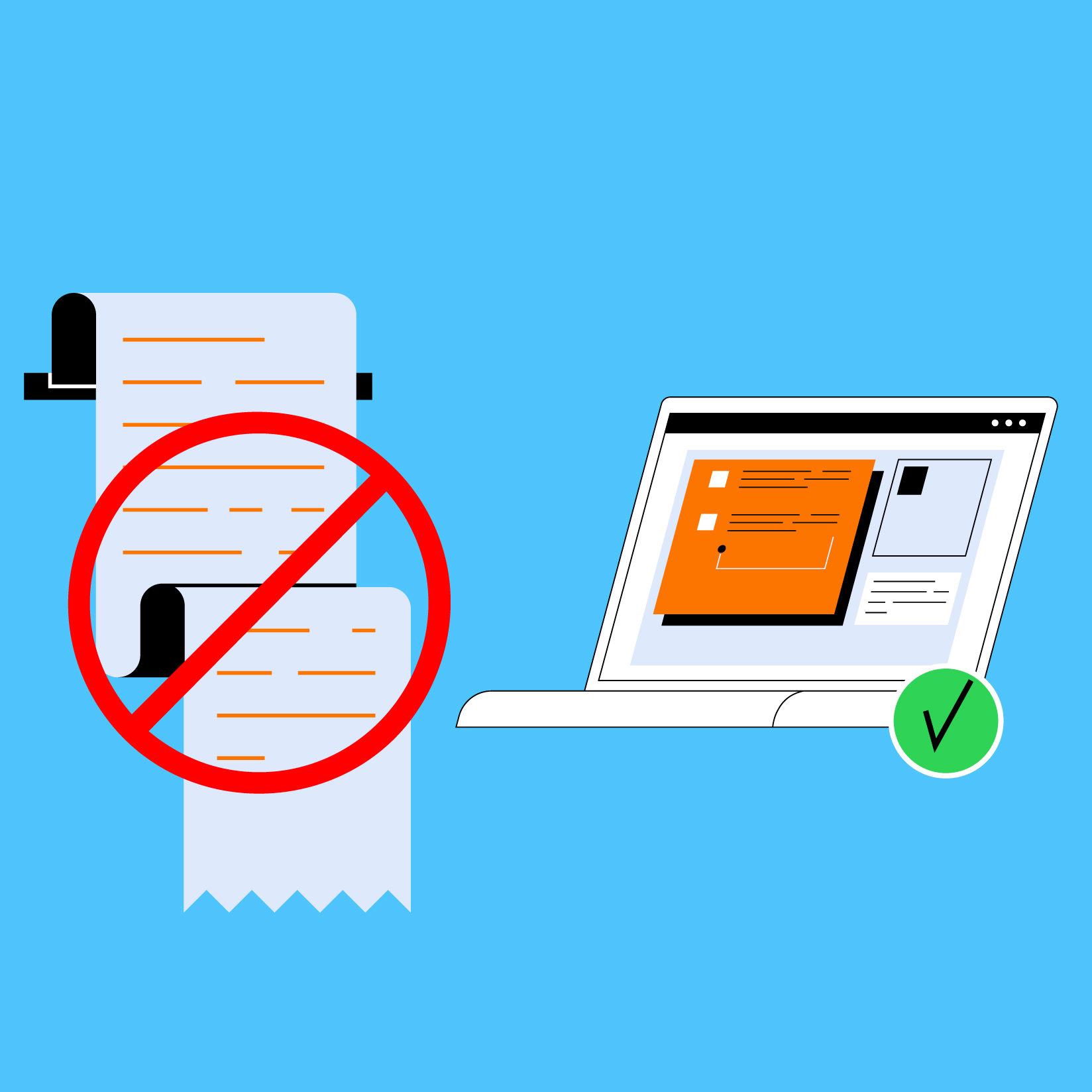
Keeping clear digital records of collection attempts and the eventual decision to write off a specific debt, using a system like paperlesskenya.co.ke, provides a defensible record if the write-off is ever questioned during a tax review.
Businesses should also consider whether offering more favorable payment terms to reliable, long-standing customers while tightening terms for newer or less predictable ones represents a fairer, more effective approach than applying a single uniform credit policy across an entire customer base with very different risk profiles. Reviewing bad debt write-offs periodically as a percentage of total credit sales also gives a business a useful benchmark for assessing whether its overall credit policy is appropriately balanced or whether adjustments are needed to reduce future losses.
A disciplined, consistently applied approach to credit and collections consistently protects a business's cash position without sacrificing valued customer relationships.
A disciplined approach to credit and collections consistently protects cash position without sacrificing valued customer relationships.
Owners who build this practice into their regular routine, rather than reserving it for occasional review, tend to catch small issues long before they grow into larger, costlier problems.
 Paperless