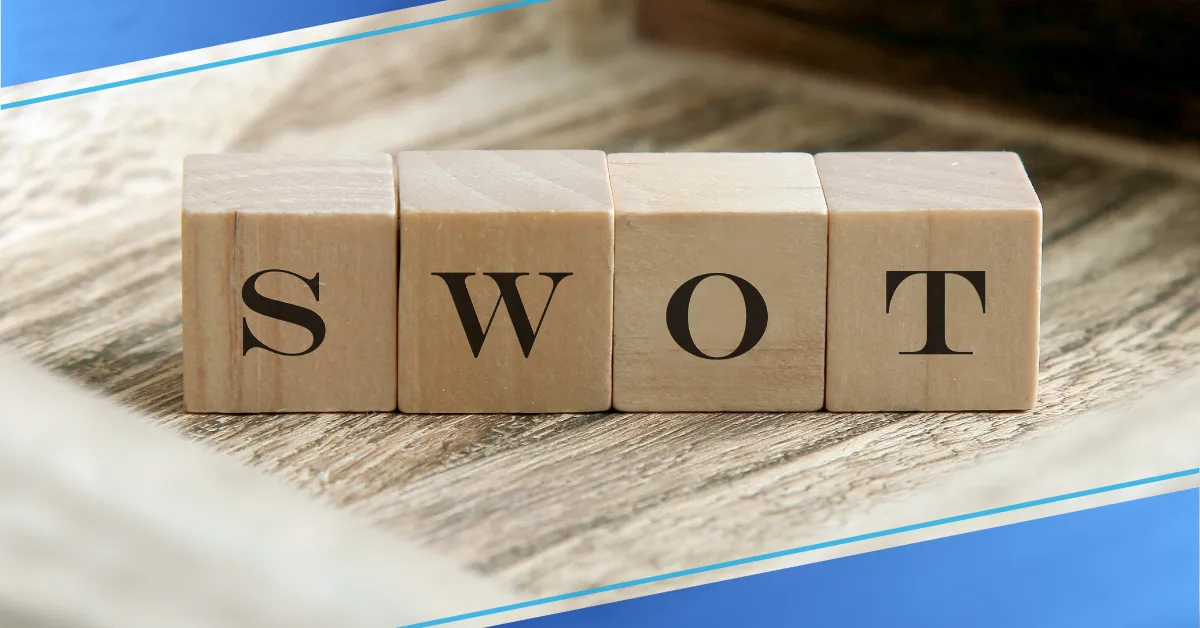
A SWOT analysis, examining strengths, weaknesses, opportunities, and threats, is a simple planning tool that helps a small business owner think clearly about their current position and future direction.
Strengths are internal advantages, such as a loyal customer base, a strong location, or specialized skills, that genuinely differentiate your business from competitors in the same market.
Weaknesses are internal limitations, such as limited capital, inconsistent record keeping, or reliance on a single supplier, that honestly acknowledged, can be addressed before they undermine growth.
Opportunities include external trends a business could take advantage of, such as growing digital payment adoption, while threats include external risks like new competitors or regulatory changes affecting the sector.
A SWOT analysis is only useful if it leads to specific action, and reviewing it alongside organized financial data, kept through a service like paperlesskenya.co.ke, grounds the analysis in real numbers rather than assumptions.
Revisiting your SWOT analysis periodically, rather than treating it as a one-time exercise, keeps your business strategy aligned with a changing market.
Yes; if working capital is poorly managed, a profitable business can still struggle to pay near-term obligations, which is why tracking working capital separately from profit matters.
Revisiting your SWOT analysis periodically keeps your business strategy grounded in current reality rather than outdated assumptions.
Set aside just twenty minutes to jot down even a rough first version of your SWOT analysis, since an imperfect first attempt is far more useful than an analysis never attempted at all.
Revisiting this analysis periodically keeps your business strategy grounded in current reality rather than outdated, stale assumptions.
This regular habit keeps your strategic thinking honest and current, rather than anchored to assumptions from months or years earlier.
 Paperless