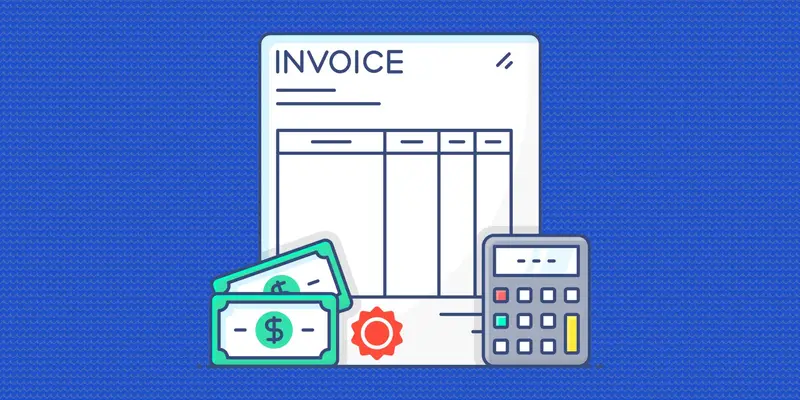
A well-designed invoice template saves time on every future sale and ensures consistency, professionalism, and compliance with Kenyan tax invoice requirements from the very first invoice you send.
A complete invoice should include your business name, address, and KRA PIN, the customer's details, a unique invoice number, the date, a clear description of goods or services, and the total amount due.
VAT-registered businesses must clearly show the VAT amount separately from the base price, along with the applicable rate, to ensure the invoice qualifies as a valid tax invoice.
Specifying payment terms, due dates, and accepted payment methods, including mobile money details, reduces confusion and speeds up how quickly customers actually pay.
Once created, saving your template digitally and reusing it consistently, alongside organized invoice archiving through a service like paperlesskenya.co.ke, builds a professional, easily searchable invoicing history over time.
A consistent, complete invoice template is a small upfront investment that pays off through faster payment and simpler tax compliance.
Inconsistent naming and folder structures are the most common mistake, since disorganized digital files can be just as hard to search as a messy pile of paper.
A consistent, complete invoice template is a small upfront investment that pays off through faster payment and easier compliance.
Set aside thirty minutes to draft your own invoice template right now, then use it for your very next sale rather than continuing with an inconsistent, ad hoc approach.
A consistent, complete template is a small upfront investment that consistently pays off through faster payment and simpler compliance.
A template built carefully once continues to save time on every single invoice you send from that point forward.
 Paperless