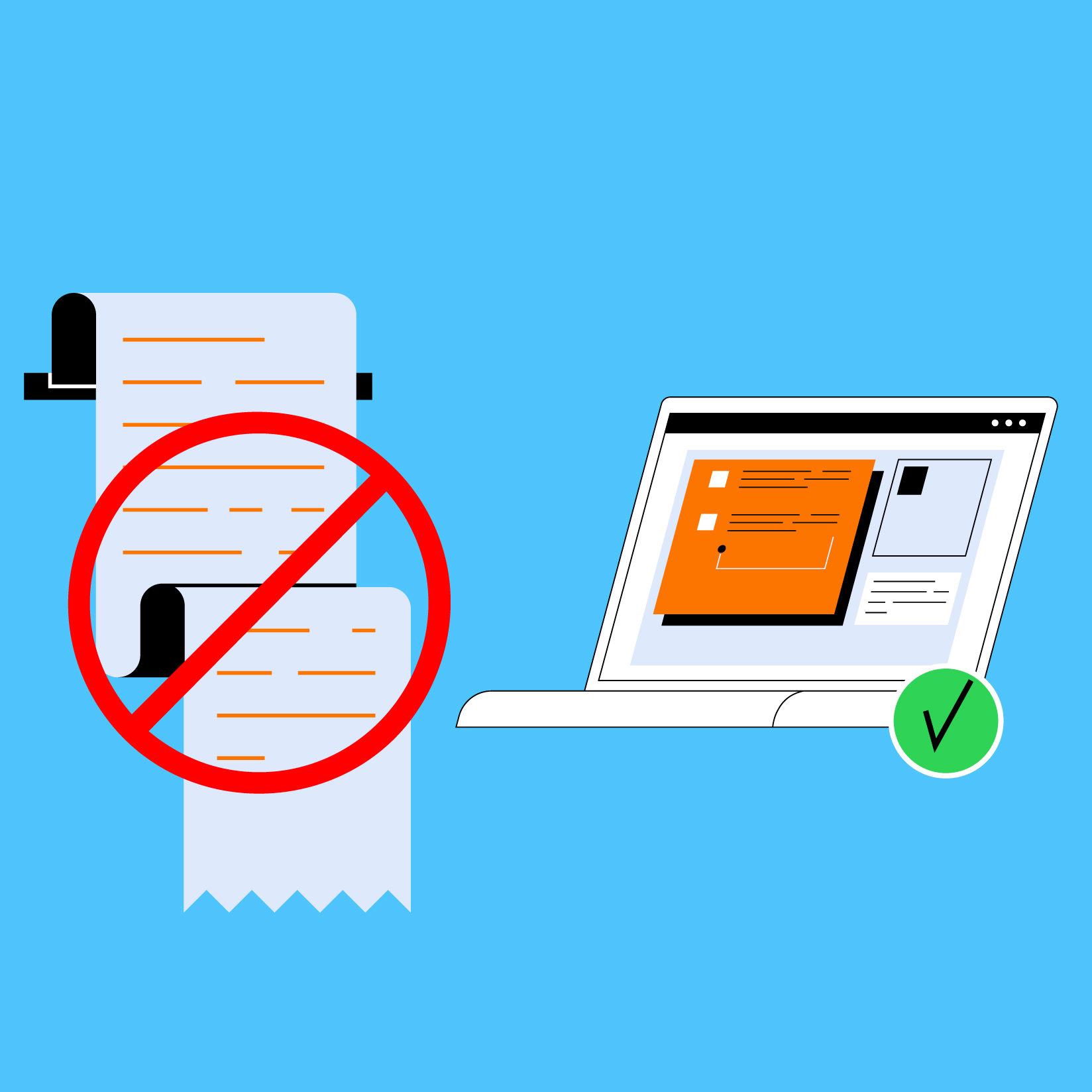
Across every area of small business finance, the same underlying theme applies: businesses that treat their financial data as a genuine decision-making asset, rather than a compliance obligation, consistently make better, more confident choices.
Well-organized financial data allows a business owner to answer specific questions quickly, whether about which products are profitable, which customers pay reliably, or where costs have crept up unnoticed, rather than relying on gut feeling alone.
This kind of data-informed decision-making does not require sophisticated analytics or a large finance team; it simply requires consistent, accurate record keeping and the discipline to actually review that data regularly rather than only at tax time.
Businesses that build this habit early tend to grow more sustainably, since they catch problems while they are still small and can act on genuine opportunities with clear-eyed confidence rather than hesitant guesswork.
Ultimately, the shift from scattered paper records to organized, accessible digital data, through a service like paperlesskenya.co.ke, is not just an administrative upgrade; it is what makes every other financial decision in this series genuinely possible to make well.
For any Kenyan entrepreneur who has read through even a portion of this series, the recurring lesson is straightforward: financial clarity is built through small, consistent habits sustained over time, not through any single dramatic action, and the businesses that thrive tend to be those that treat their numbers as a genuine ally in decision-making rather than an obligation to be dealt with reluctantly once a year.
For any Kenyan SME owner ready to put these habits into practice, the smallest first step, starting to track just one thing consistently, is usually the one that matters most.
For any owner ready to put these habits into practice, starting with just one thing tracked consistently is usually the step that matters most.
Owners who take even one idea from this discussion and apply it consistently over the coming weeks will likely find it the most productive starting point available to them.
 Paperless