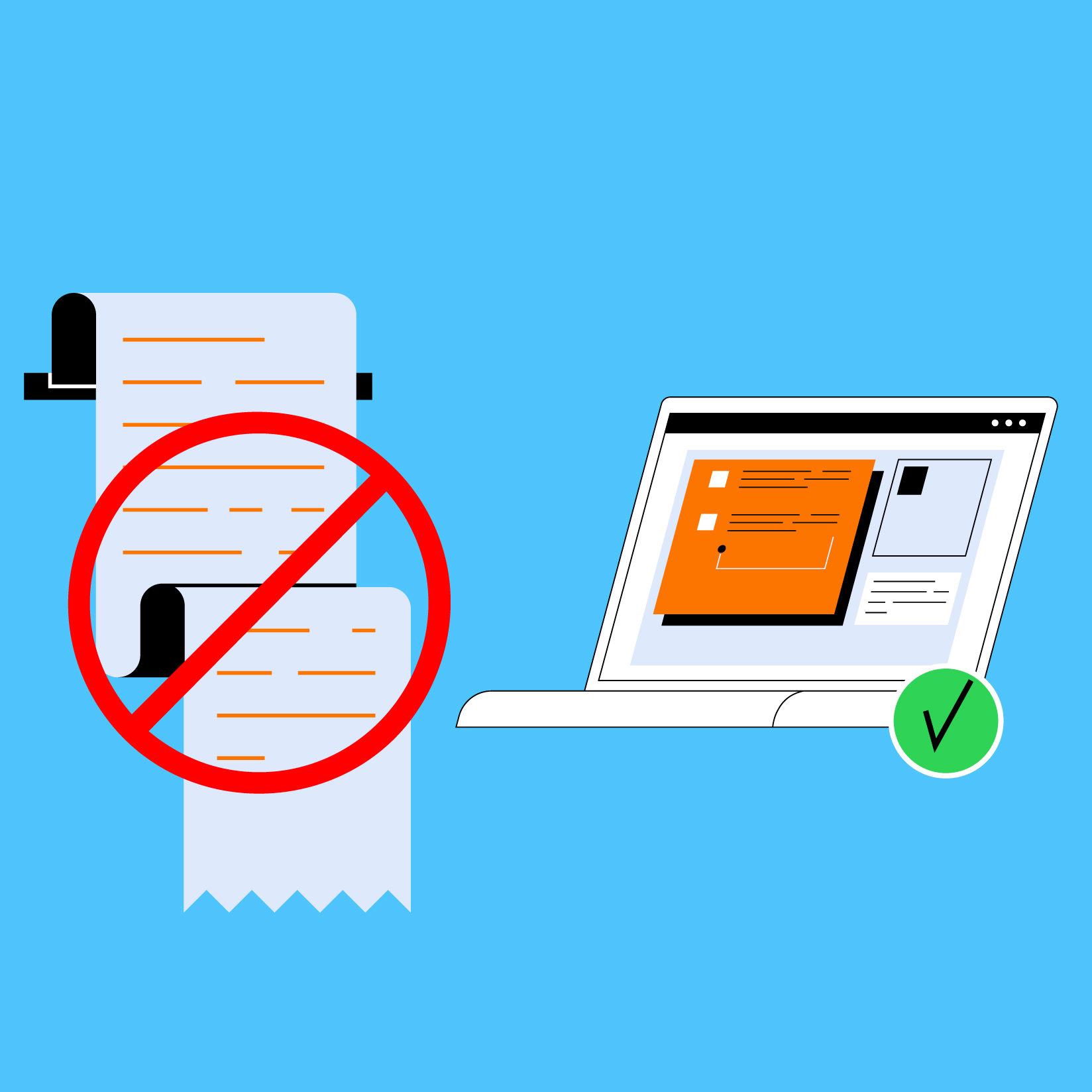
Moving business documents to digital storage is only genuinely useful if the resulting files are organized well enough to actually find what you need quickly when it matters most.
Adopting a consistent naming pattern, such as date followed by document type and vendor name, makes files searchable at a glance rather than requiring you to open several files before finding the right one.
Organizing documents into clear categories, such as sales, purchases, payroll, and tax filings, mirrors how a business actually needs to retrieve information during filing or an audit.
Ensuring digital documents are backed up in more than one location protects against the loss of a single device, and scheduling this as a routine habit rather than an occasional afterthought matters considerably.
Rather than building this system entirely from scratch, a service like paperlesskenya.co.ke is specifically designed for organizing and backing up Kenyan business documents, saving the time of assembling a system independently.
Good digital filing habits, established early, save considerable time and stress every single time a document is needed later, whether for tax season or a client request.
No; break-even is the point where a business simply covers its costs with no profit yet, making it a minimum baseline rather than an actual growth or profitability goal.
Good digital filing habits, established early, save considerable time and stress every time a document is needed later.
Pick just one document category, such as this month's receipts, and organize it properly today using a consistent naming convention, then expand the system gradually to other categories.
Good digital filing habits, established early, save considerable time and stress every single time a document is genuinely needed.
 Paperless