Businesses whose input VAT, the VAT paid on qualifying purchases, exceeds their output VAT, the VAT charged on sales, in a given period may be entitled to a refund of the excess amount from KRA.
This situation commonly arises for exporters, since exports are typically zero-rated, meaning no output VAT is charged on export sales while input VAT on related purchases can still generally be claimed.
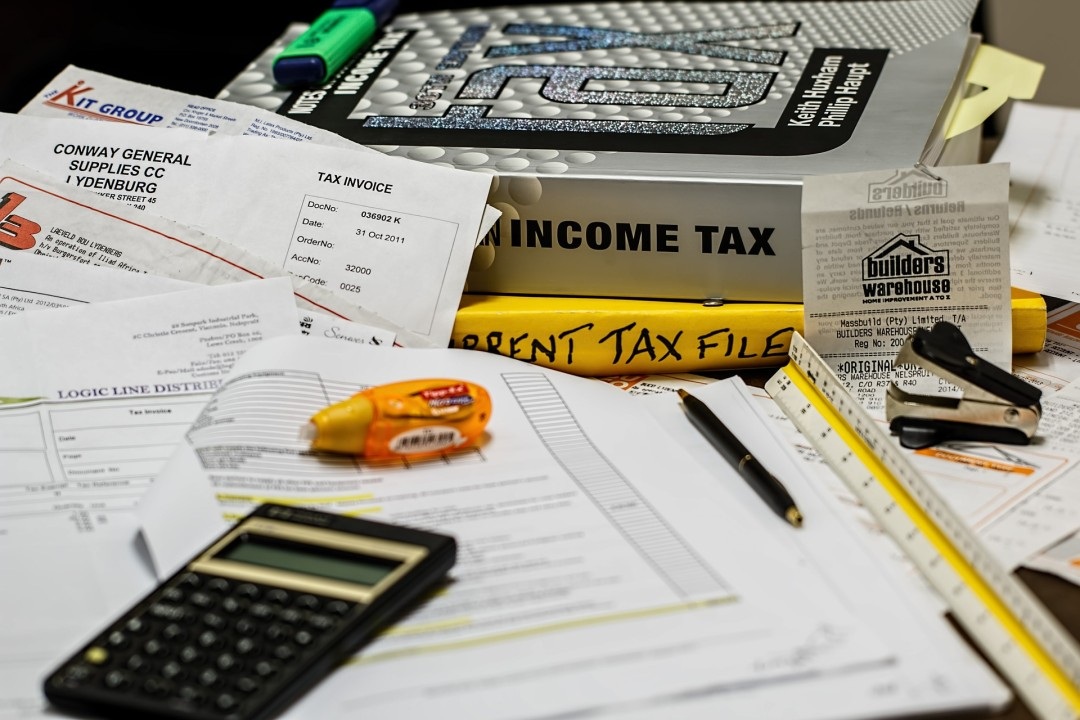
Claiming a VAT refund requires submitting supporting documentation, including valid tax invoices for all claimed input VAT, and the process can take time, making it important to submit complete, accurate claims to avoid unnecessary delays.
Businesses should be aware that VAT refund claims are often subject to closer scrutiny than routine filings, making accurate, well-organized supporting records particularly important for this specific type of claim.
Retaining organized digital copies of every purchase invoice supporting a VAT refund claim, through a service like paperlesskenya.co.ke, significantly improves the chances of a smooth, timely refund rather than a delayed or partially rejected claim.
Businesses awaiting a VAT refund should maintain clear communication with their tax advisor or directly with KRA regarding the status of the claim, since proactively following up on a pending refund, armed with complete supporting documentation, generally produces faster results than passively waiting for the process to conclude on its own. Understanding the typical processing timelines for refund claims also helps a business plan its cash flow more realistically around when the refunded amount might actually become available rather than assuming immediate receipt.
Complete, well-organized supporting documentation consistently determines whether a VAT refund claim proceeds smoothly or becomes delayed and disputed.
Complete, well-organized documentation consistently determines whether a refund claim proceeds smoothly or becomes delayed and disputed.
This kind of consistent discipline, sustained over the life of a business, remains one of the clearest markers of a genuinely well-managed operation.
 Paperless