An external audit is an independent examination of a business's financial statements conducted by a qualified auditor, providing an objective opinion on whether the statements fairly represent the business's financial position and performance.
Certain Kenyan companies are legally required to have their financial statements audited, generally depending on company size or type, while many smaller businesses choose a voluntary audit or review to support a loan application or investor conversation.
An audit involves the auditor examining supporting documentation for a sample of transactions, testing internal controls, and confirming balances with third parties such as banks and significant debtors or creditors.
Businesses preparing for their first audit are often surprised by how much documentation the process requires, making it valuable to understand audit expectations well before the process begins rather than scrambling once it starts.
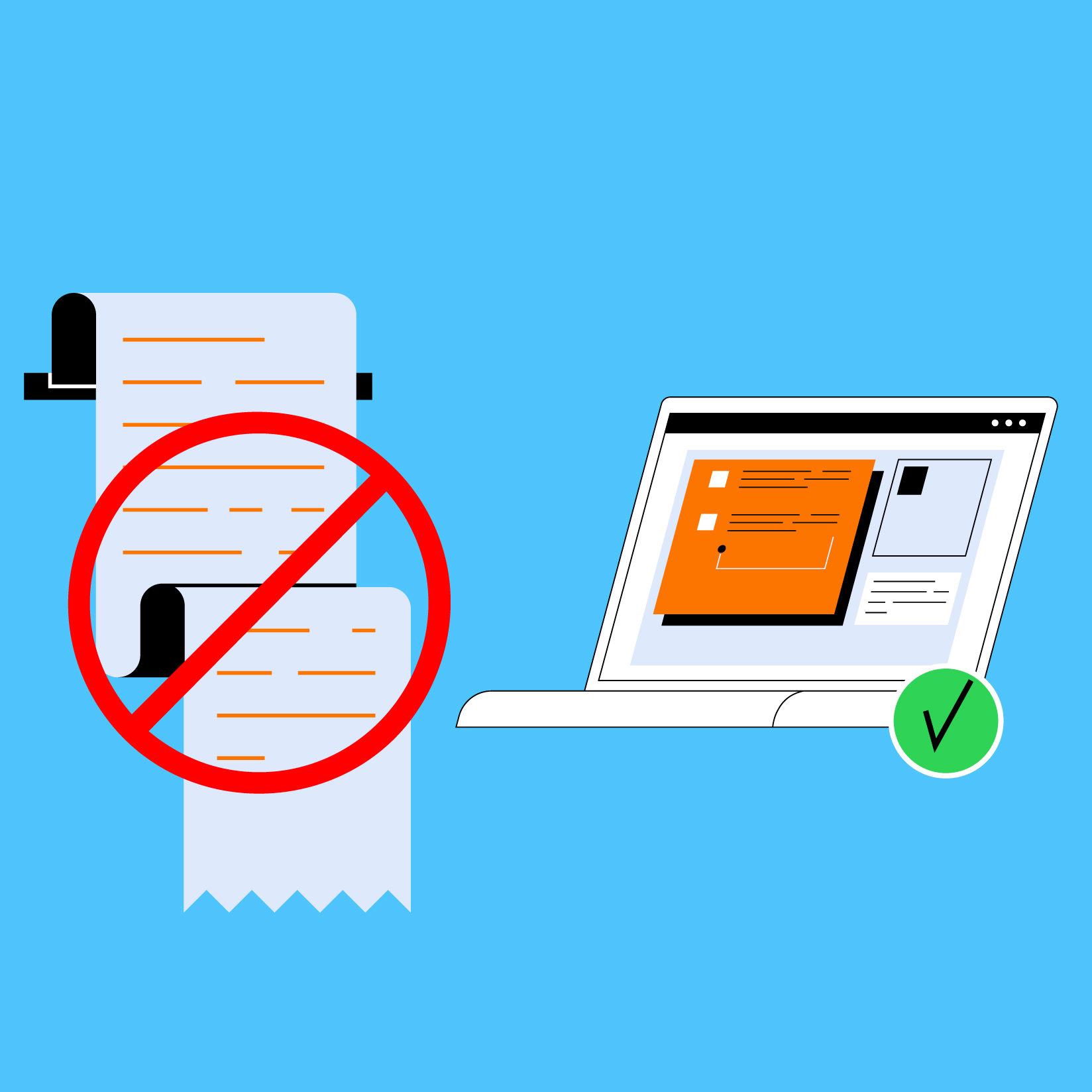
Businesses that maintain organized digital records throughout the year, through a service like paperlesskenya.co.ke, generally find the audit process considerably faster and less disruptive than those that must reconstruct documentation only once the audit has already begun.
Businesses preparing for their first audit, whether required or voluntary, should engage the auditor early enough to understand exactly what documentation will be needed, rather than waiting until the audit has already begun to discover gaps that then need to be hastily addressed under time pressure. Building an ongoing, cooperative relationship with an external auditor over successive years, rather than treating each audit as an entirely separate, adversarial exercise, often results in a smoother, more efficient process as the auditor becomes increasingly familiar with the business's specific operations and systems.
A cooperative, well-prepared relationship with an external auditor consistently makes each successive audit smoother and less disruptive than the one before.
A cooperative, well-prepared relationship with an auditor consistently makes each successive audit smoother than the one before.
This kind of consistent, deliberate attention is ultimately what allows a small business to approach growth with genuine confidence rather than uncertainty.
 Paperless