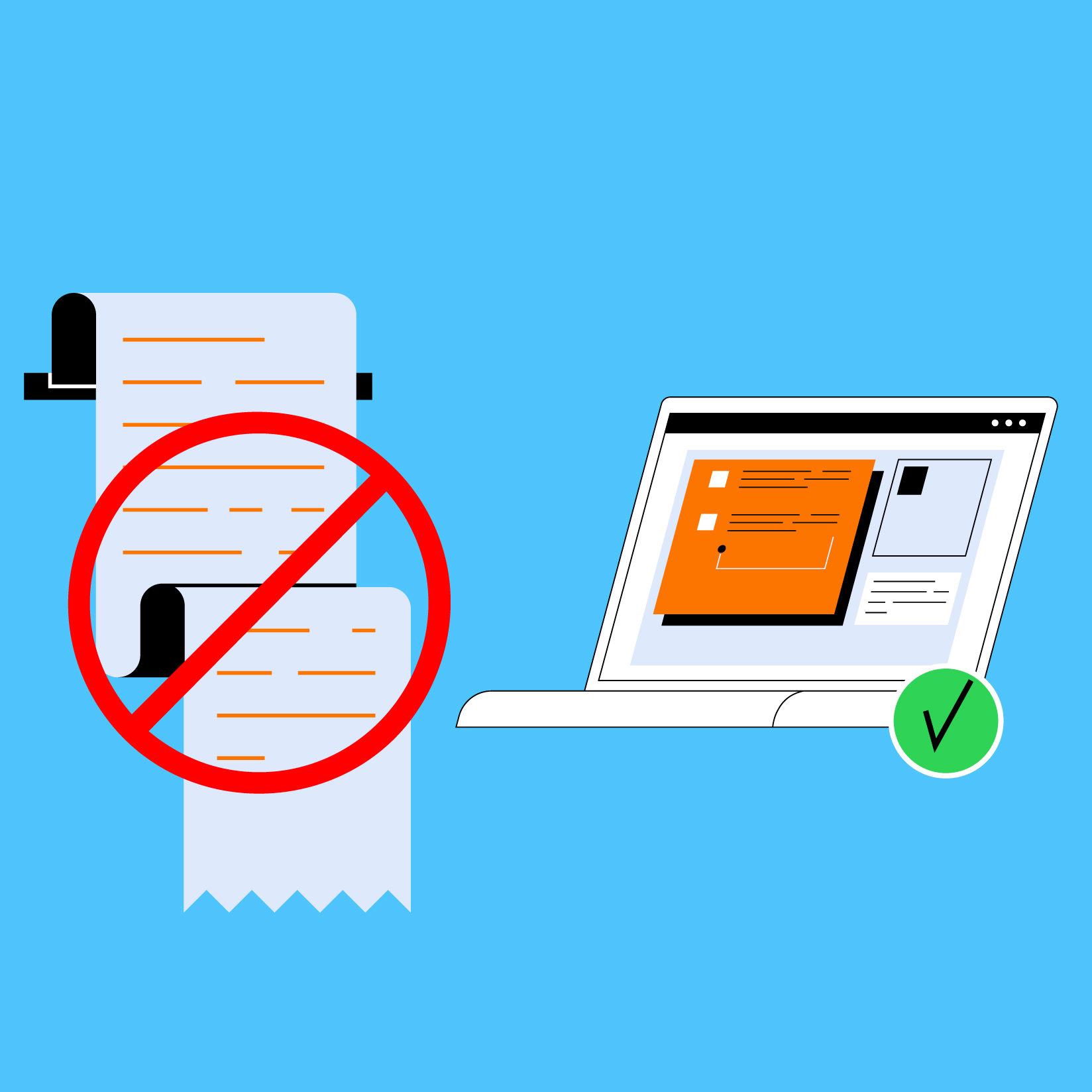
Cash accounting records income and expenses only when money actually changes hands, while accrual accounting records them when a transaction occurs, regardless of when payment is actually received or made.
For a very small business with simple, mostly immediate cash transactions, cash accounting is simpler to maintain and gives an intuitive sense of how much money is actually available at any given time.
Accrual accounting gives a more accurate picture of true profitability for businesses that extend or receive credit, since it matches revenue and expenses to the period they actually relate to, rather than when cash happens to move.
As a business grows, particularly if it deals with significant credit sales or purchases, moving toward accrual-based records generally gives owners, lenders, and investors a more honest view of the business's underlying performance.
Whichever method is used, consistency matters most; switching between methods without care creates confusion, and maintaining organized records through tools such as paperlesskenya.co.ke supports accurate reporting under either approach.
Choosing between these two approaches is not always all-or-nothing; some businesses use cash accounting for day-to-day management while preparing accrual-based statements periodically for tax or reporting purposes, provided this distinction is clearly understood and consistently applied by whoever manages the books. Whichever method a business selects, discussing the choice with a qualified accountant early ensures the approach aligns properly with the business's specific tax obligations, since certain thresholds and business types in Kenya may have specific requirements about which method is appropriate or required for tax filing purposes.
Whichever accounting method a business ultimately chooses, consistency and proper documentation matter far more than the specific method selected.
Consistency in method, more than the specific method chosen, is what ultimately makes a business's accounting genuinely reliable over time.
Businesses that treat this as core to how they operate, rather than as a specialized function handled separately, tend to make consistently better decisions across every other part of the business as well.
 Paperless