Capital allowances allow a business to deduct the cost of qualifying capital assets, such as machinery, vehicles, and buildings, from taxable income gradually over time, rather than as a single deduction in the year of purchase.
Different categories of assets qualify for different capital allowance rates, and understanding which category a particular asset falls into is important, since misclassification can lead to either an understated or overstated deduction.
Some categories, such as certain qualifying investments, may benefit from accelerated allowances intended to encourage specific types of business investment, making it worth checking current rules before assuming a standard rate applies.
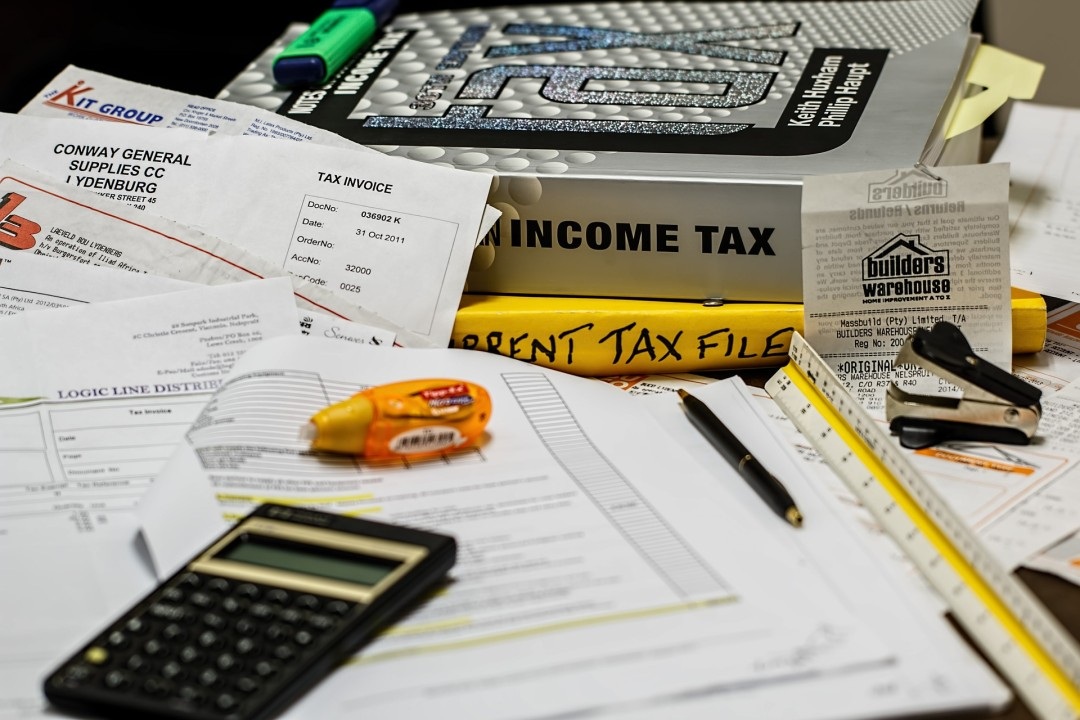
Claiming capital allowances correctly requires maintaining a clear record of each asset's original cost, purchase date, and category, since this information underpins the calculation for every year the allowance is claimed going forward.
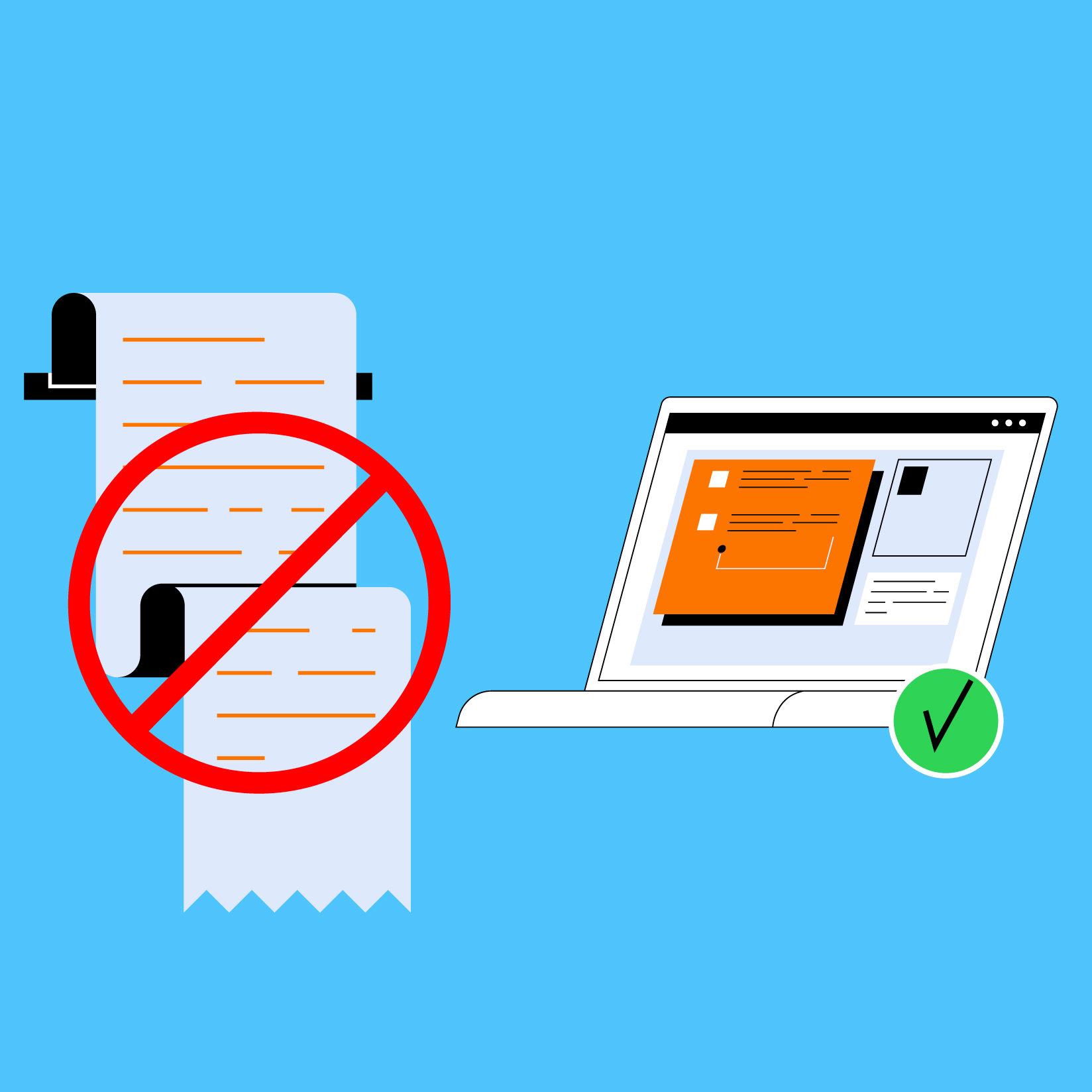
An organized digital asset register, supported by retained purchase invoices through a service like paperlesskenya.co.ke, ensures a business can accurately claim capital allowances year after year and defend the claim if ever questioned by KRA.
Businesses should also review their capital allowance claims periodically alongside broader tax planning, since the timing and structure of significant asset purchases can sometimes be adjusted to make more efficient use of available allowances, particularly around year end when businesses are considering whether to bring forward or delay a planned purchase. Working with a qualified tax advisor to review capital allowance claims, particularly for businesses with a growing asset base, often identifies legitimate deductions that a less experienced preparer might overlook entirely.
Careful, well-documented capital allowance tracking consistently ensures a business claims every legitimate deduction it is entitled to, year after year.
Careful, documented tracking consistently ensures a business claims every legitimate deduction it is entitled to, year after year.
This steady approach, more than any single dramatic change, is what most reliably builds the kind of business that can genuinely stand the test of time.
 Paperless