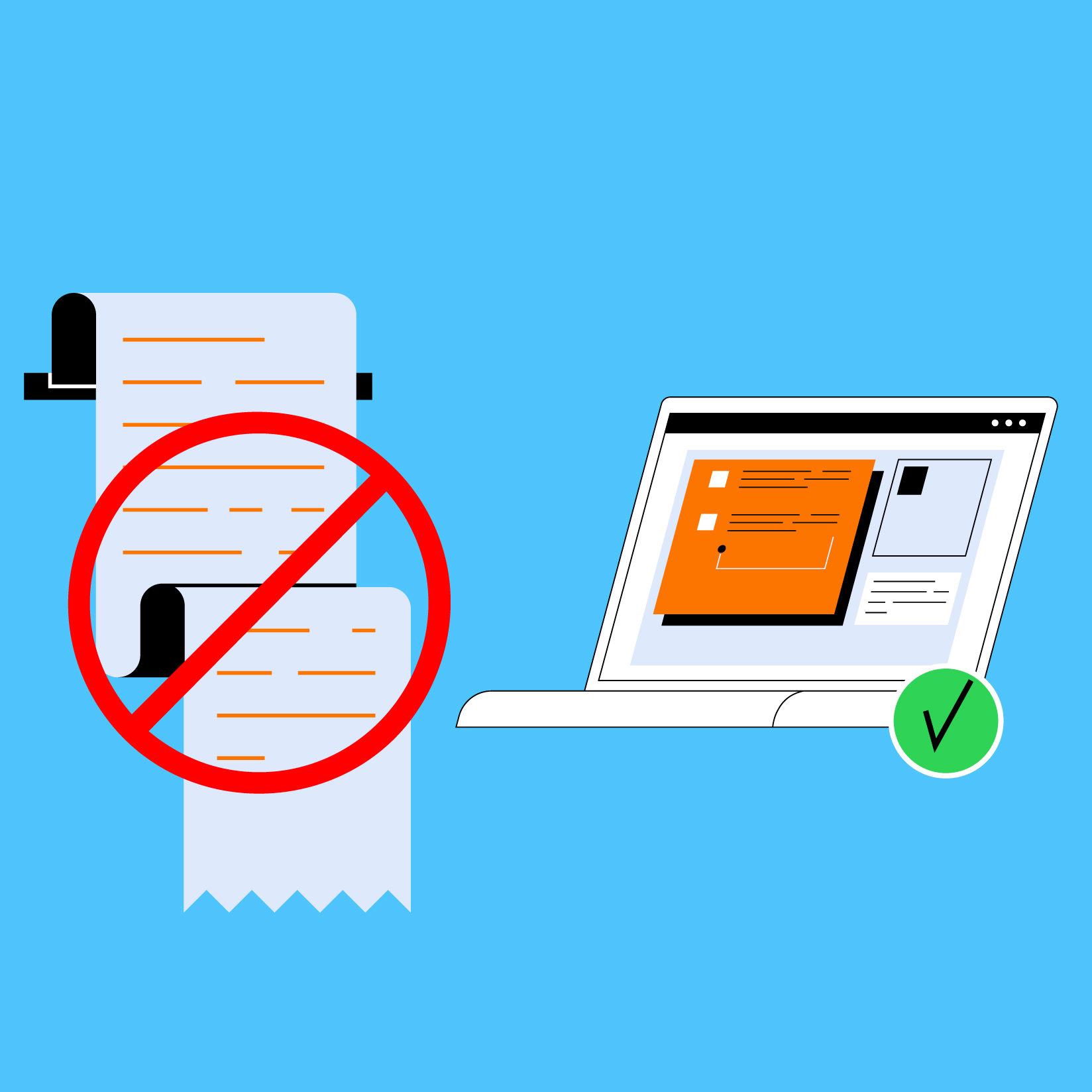
Cloud accounting refers to financial software hosted online rather than installed on a single computer, allowing a business owner, bookkeeper, or accountant to access up-to-date records from anywhere with an internet connection. For small businesses in Kenya, this shift offers several practical advantages over traditional spreadsheets or paper ledgers.
Because data is stored online rather than on a single device, the risk of losing years of financial records to a stolen laptop, a crashed hard drive, or simple file corruption is dramatically reduced. Automatic backups mean a business's financial history remains intact even if physical equipment is lost or damaged.
Cloud systems also make it far easier for a business owner to collaborate with an external bookkeeper or accountant, who can review and update records remotely without needing to physically visit the business or wait for files to be emailed back and forth.
Many cloud accounting tools now integrate with mobile money and banking APIs, automatically importing transactions rather than requiring manual entry, and some connect with document storage services such as paperlesskenya.co.ke to attach supporting receipts directly to each recorded transaction, creating a complete, auditable trail with minimal manual effort.
Businesses considering a move to cloud accounting should also weigh data privacy and backup practices of the provider, ensuring sensitive financial information is protected appropriately even as the convenience of remote access is gained.
Most cloud accounting providers also offer customer support and training resources, which are worth using fully during the first few months to ensure the business gets the maximum benefit from the system it has invested in.
Cloud accounting, adopted thoughtfully, gives even the smallest Kenyan business access to tools once reserved for much larger companies.
This shift, adopted thoughtfully, gives even the smallest Kenyan business access to a level of financial organization once reserved for much larger companies.
 Paperless