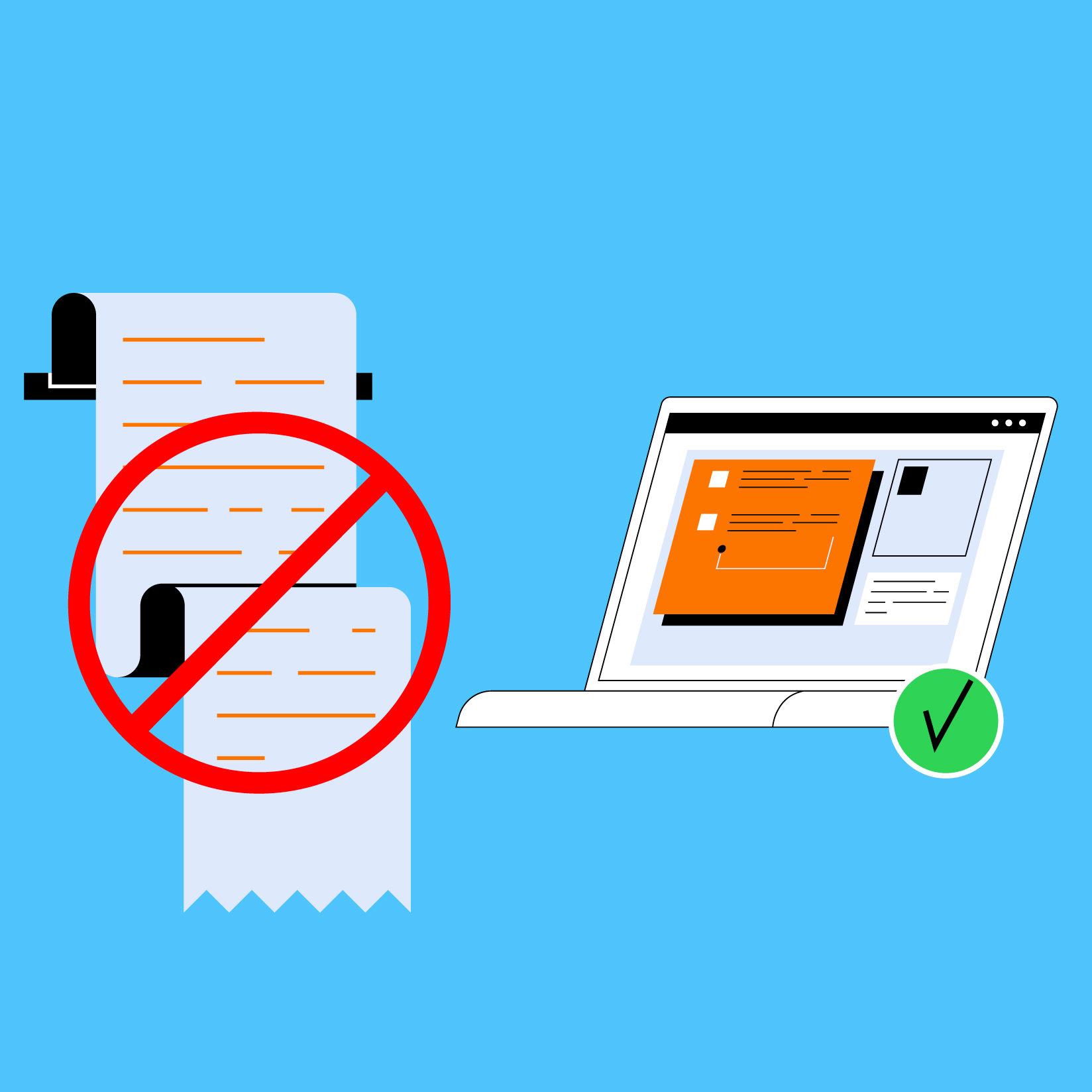
The electronic Tax Invoice Management System, or eTIMS, has become a central part of tax compliance for Kenyan businesses, and understanding how to register is now essential rather than optional for most SMEs.
Most VAT-registered businesses and increasingly a broader range of businesses generating taxable income are expected to onboard onto eTIMS, so confirming your specific obligation with KRA guidance avoids missing a requirement that applies to you.
KRA offers several onboarding options depending on business size and existing systems, ranging from a simple mobile app suited to very small traders to full system integration for larger businesses with existing point-of-sale software.
Registration is completed through the iTax portal linked to your KRA PIN, after which the chosen eTIMS solution is configured to generate and transmit compliant invoices for every eligible sale.
Once registered, every eligible sale must be captured through the system consistently, and businesses that keep organized digital records alongside eTIMS, such as through paperlesskenya.co.ke, find ongoing compliance considerably easier to maintain.
Registering early and choosing the right onboarding option for your business size avoids the disruption of scrambling to comply once enforcement tightens further.
KRA has introduced simplified onboarding options intended for very small traders, so it is worth confirming your specific obligation rather than assuming eTIMS does not apply to a smaller business.
Registering for eTIMS correctly and early positions your business ahead of tightening enforcement rather than scrambling to catch up later.
Rather than assuming eTIMS does or does not apply to your specific business, a direct confirmation through KRA's official guidance removes any ambiguity before a compliance gap develops.
Registering early, rather than waiting for enforcement to tighten further, keeps your business ahead of compliance rather than reacting to it.
 Paperless