Reducing a tax bill legally is not about avoiding obligations but about making full, correct use of the deductions, allowances, and reliefs the law already provides, something many small businesses underuse simply through lack of awareness.
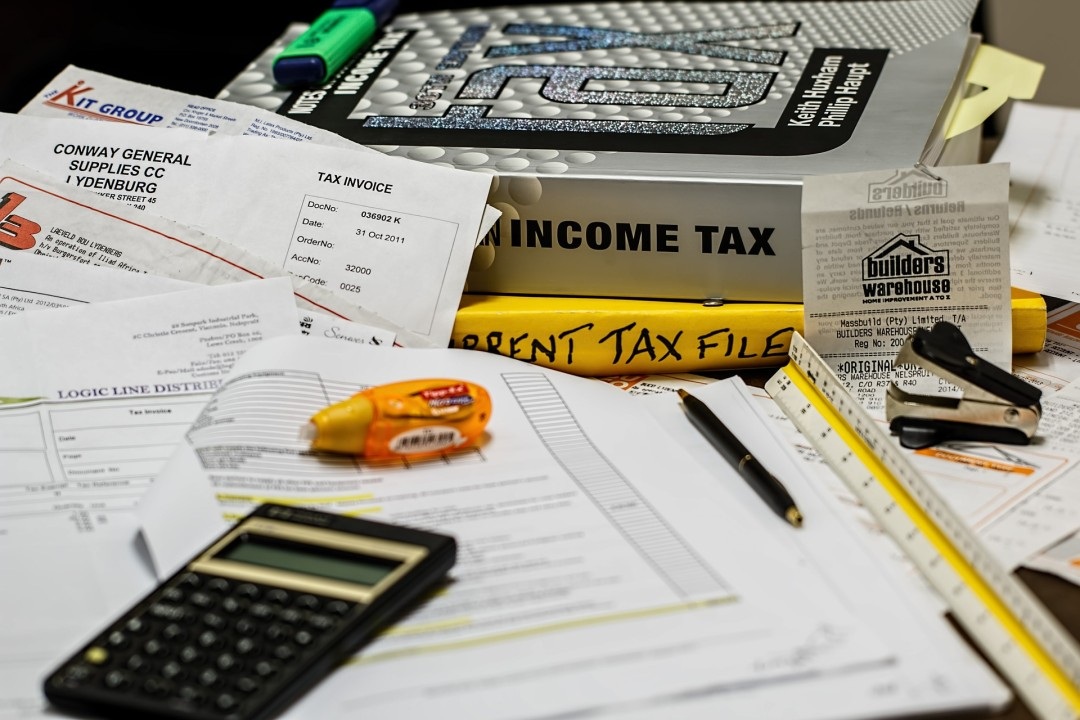
Many businesses underclaim legitimate expenses, whether transport, utilities, or a reasonable portion of home costs for a home-based business, simply because they lack the receipts to support the claim.
Properly tracking and claiming capital allowances on qualifying equipment and assets reduces taxable income over time, yet businesses that fail to maintain an asset register often miss these deductions entirely.
Reviewing whether Turnover Tax or standard income tax genuinely suits your current turnover and margin, rather than remaining on whichever regime applied at initial registration, can meaningfully affect your overall tax bill.
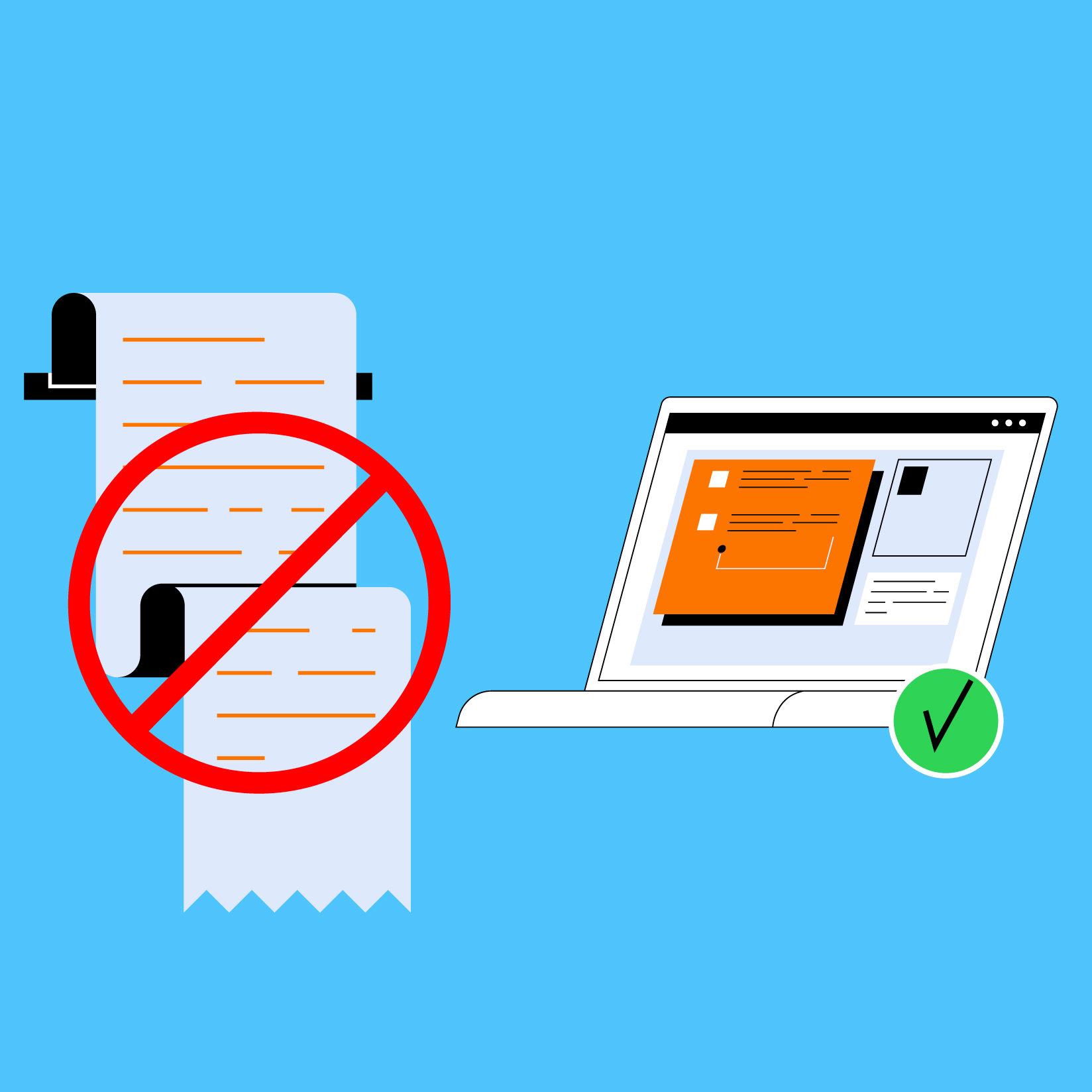
Every deduction ultimately depends on documentation, and organized digital records through a service like paperlesskenya.co.ke ensure a business can confidently claim everything it is legitimately entitled to.
The businesses that pay the least unnecessary tax are consistently those with the most organized, complete records, not those taking aggressive shortcuts.
It is generally clearer to use separate simple logs for sales and expenses, since combining them can make it harder to quickly see your overall daily or weekly performance at a glance.
The businesses that legally minimize their tax burden most effectively are consistently those with the most complete, well-organized records.
Set aside time before your next filing to review the past year's expenses specifically for anything legitimately business-related that may have been overlooked or left unclaimed.
The businesses that legally minimize their tax burden most effectively are consistently the ones with the most complete, well-organized documentation.
 Paperless