Managing when and how a business pays its vendors is a quiet but significant lever over overall cash flow, and many small Kenyan businesses pay suppliers inconsistently, sometimes early and sometimes very late, without a clear underlying strategy.
Negotiating standard payment terms with regular suppliers, whether net fifteen or net thirty days, and then genuinely honoring those terms consistently, builds trust that often translates into better pricing or flexibility during difficult periods.
Scheduling vendor payments in batches on set days each month, rather than processing them as they arrive, makes it easier to plan cash flow around known, predictable payment dates.
Taking advantage of early payment discounts where suppliers offer them can be worthwhile when the business has sufficient cash on hand, effectively earning a return that often exceeds what idle cash would otherwise generate.
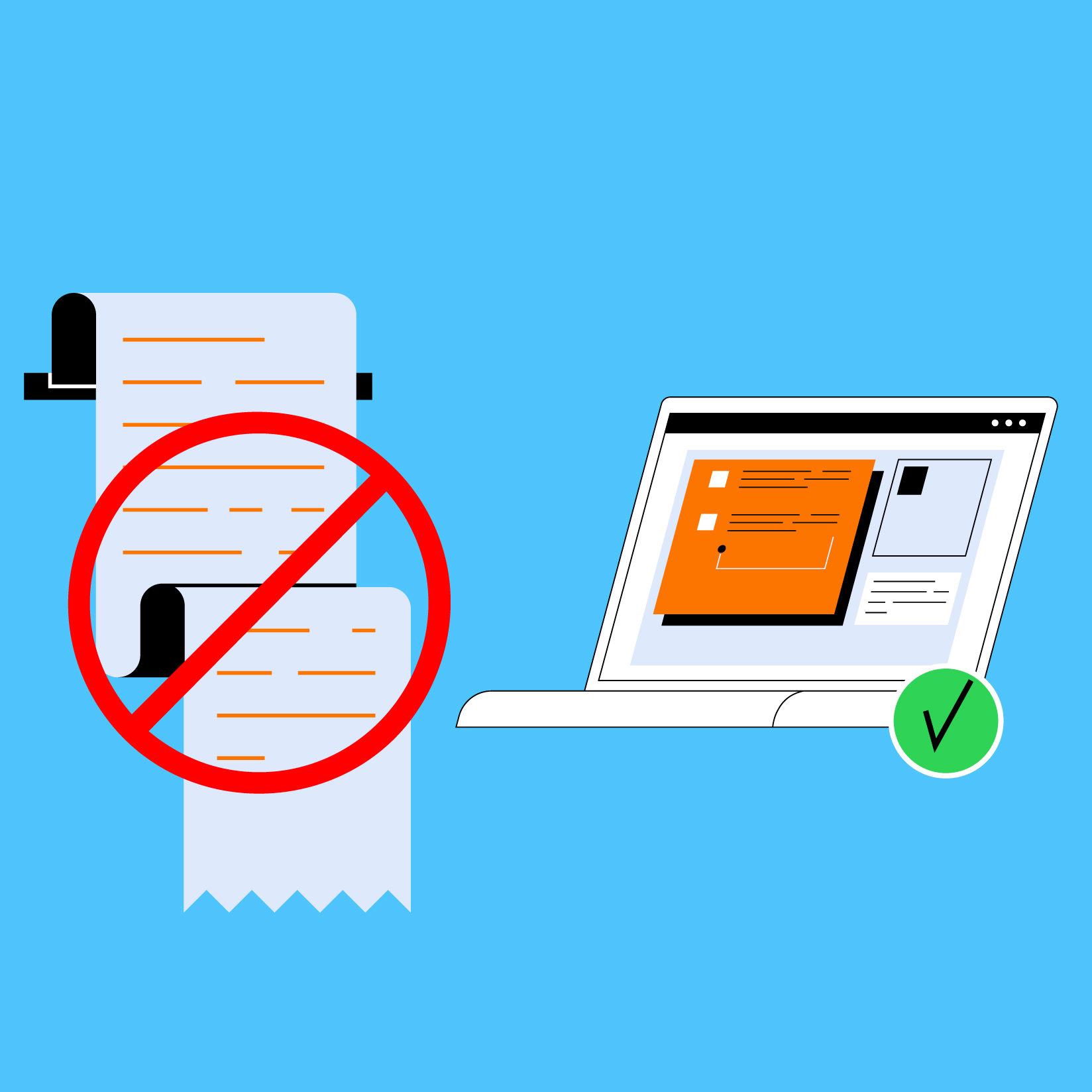
Tracking vendor invoices, due dates, and payment history digitally, using a system such as paperlesskenya.co.ke, helps a business manage its payment cycle deliberately rather than reactively responding to whichever supplier calls first.
Businesses should also periodically review whether their standard payment terms remain competitive and appropriate given current market conditions and their own cash position, since terms that made sense during a period of strong cash flow might need adjustment during a tighter period, and vice versa. Maintaining goodwill with vendors through clear, proactive communication about any expected payment delay, rather than simply missing a payment date without explanation, generally preserves the relationship far better than silence does.
Deliberate, consistently managed vendor payment cycles consistently protect both cash flow and the supplier relationships a business depends on.
Deliberate, consistently managed payment cycles consistently protect both cash flow and the supplier relationships a business depends on.
Businesses that internalize this discipline early tend to navigate both growth and setbacks with considerably more confidence than those addressing it only reactively.
 Paperless