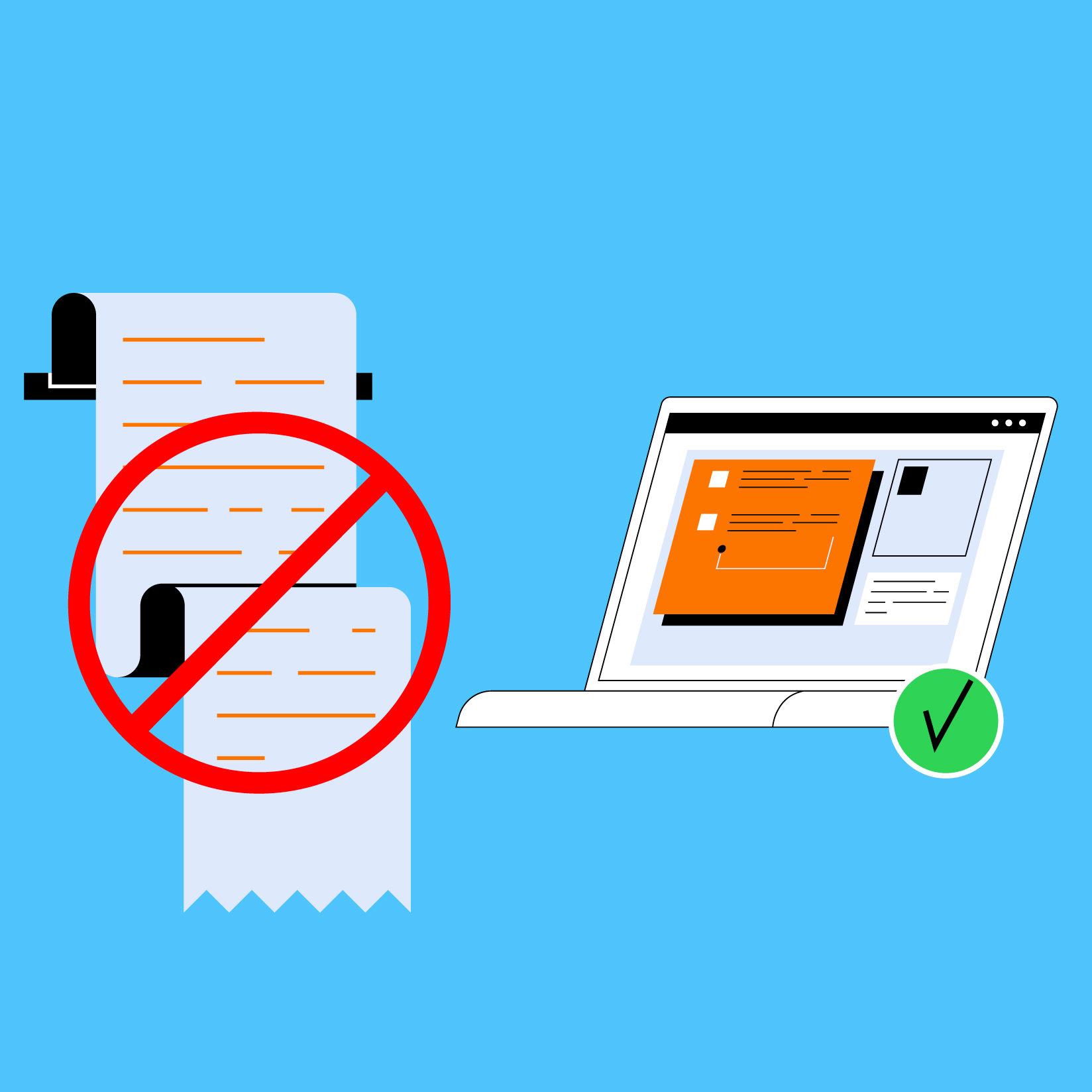
A Tax Compliance Certificate is proof from KRA that a business has met its filing and payment obligations, and it is frequently required for tenders, loan applications, and certain licenses.
To qualify, a business generally needs to have filed all required tax returns and have no significant outstanding tax liability, since any unresolved obligation typically blocks certificate issuance.
The certificate is requested directly through the iTax portal under the compliance certificate application section, and if all obligations are met, it is usually issued automatically within a short period.
A rejected application almost always points to an unfiled return or outstanding balance, which should be resolved and confirmed before reapplying rather than repeatedly submitting the same unsuccessful request.
Since the certificate has a limited validity period, businesses that file and pay consistently, supported by organized records through a service like paperlesskenya.co.ke, are able to renew it smoothly each time it is needed.
A valid Tax Compliance Certificate can be the difference between winning and losing a tender, so treat renewing it as a routine task rather than a last-minute scramble.
The certificate has a limited validity period and needs to be renewed periodically, so businesses should track their renewal date rather than waiting until one is urgently requested by a tender or lender.
Treat your Tax Compliance Certificate as a living document to maintain year-round, not a one-time achievement to obtain and then forget about.
Mark your certificate's expiry date on a calendar now, well before it becomes urgent, so a tender deadline or loan application never catches you without valid proof of compliance.
Keeping this process routine, rather than reactive, protects your ability to bid for contracts and access financing whenever the opportunity actually arises.
 Paperless