The word audit often conjures images of expensive external accountants combing through years of records, but a simple internal financial review is something even a small Kenyan business can and should conduct periodically, without significant cost.
An internal review starts by reconciling recorded transactions against actual bank and mobile money statements, checking that every deposit and withdrawal matches an entry in the business's own records. Discrepancies, however small, are worth investigating rather than dismissing, since they often point to either an error or a more serious issue.
Next, reviewing whether expenses have proper supporting documentation, receipts, invoices, or contracts, confirms that spending is legitimate and defensible if questioned later. Spot-checking inventory against recorded stock levels catches shrinkage or recording errors before they accumulate into a significant unexplained loss.
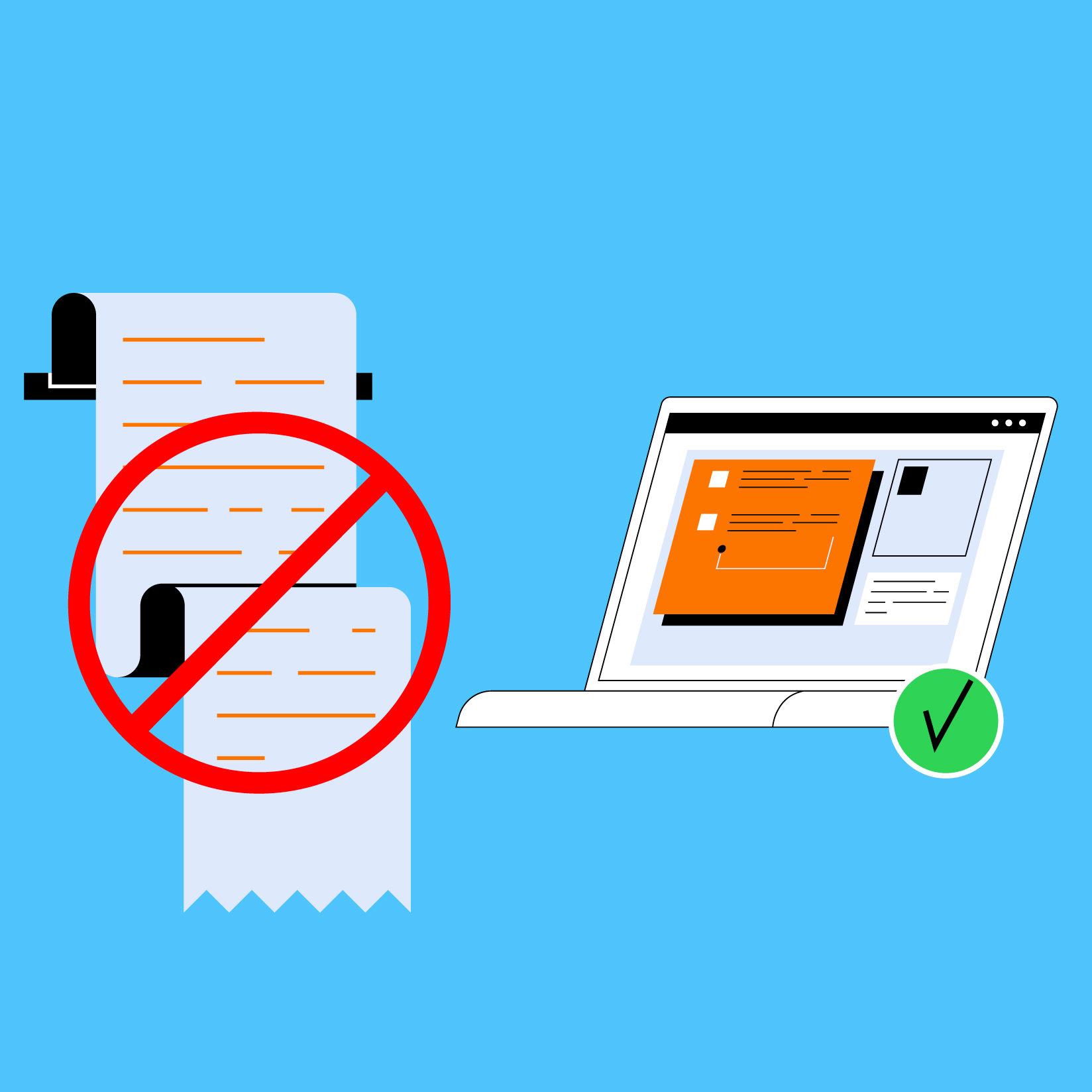
Conducting this kind of review quarterly, rather than only once a year, keeps small issues from growing into large ones. The process is dramatically faster when documents are organized digitally rather than scattered across paper files, which is where a service like paperlesskenya.co.ke can turn what used to be a dreaded, day-long task into something manageable in an afternoon.
Businesses that make this kind of review a habit often find that problems are caught while they are still minor and inexpensive to fix, rather than discovered months later when correcting the underlying issue has become far more disruptive and costly.
Businesses that lack the time or expertise to conduct this review internally can also engage a part-time or freelance accountant periodically, gaining professional oversight without the cost of a full-time hire.
Regular internal reviews, even informal ones, catch problems while they remain small and manageable.
These regular checks, however brief, are a small investment that consistently protects against much larger future losses.
Businesses that schedule this kind of internal review on a fixed calendar, rather than leaving it to chance, are far more likely to actually follow through consistently.
 Paperless