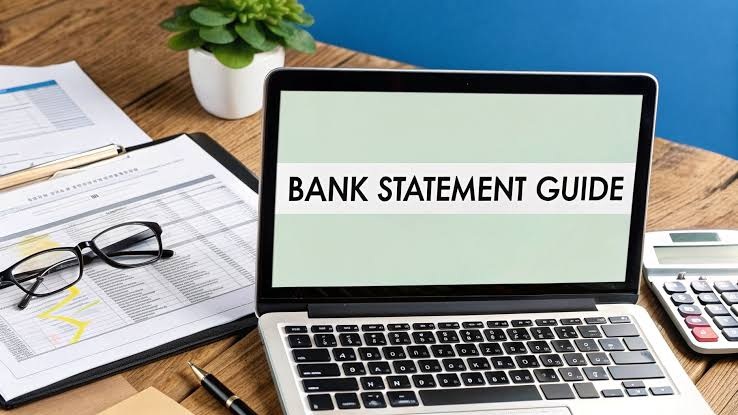
Business bank statements are often glanced at briefly and filed away, yet they are one of the most important documents a Kenyan small business relies on for both compliance and financial insight.
KRA and lenders frequently request bank statements to verify income and spending patterns, making complete, organized statement records essential rather than optional documentation.
Reviewing individual transaction lines, not just the closing balance, reveals bank charges, failed transactions, or unfamiliar debits that deserve investigation and might otherwise go unnoticed.
Monthly reconciliation between your bank statement and your own recorded transactions catches both your own errors and any bank errors, keeping your financial records genuinely reliable.
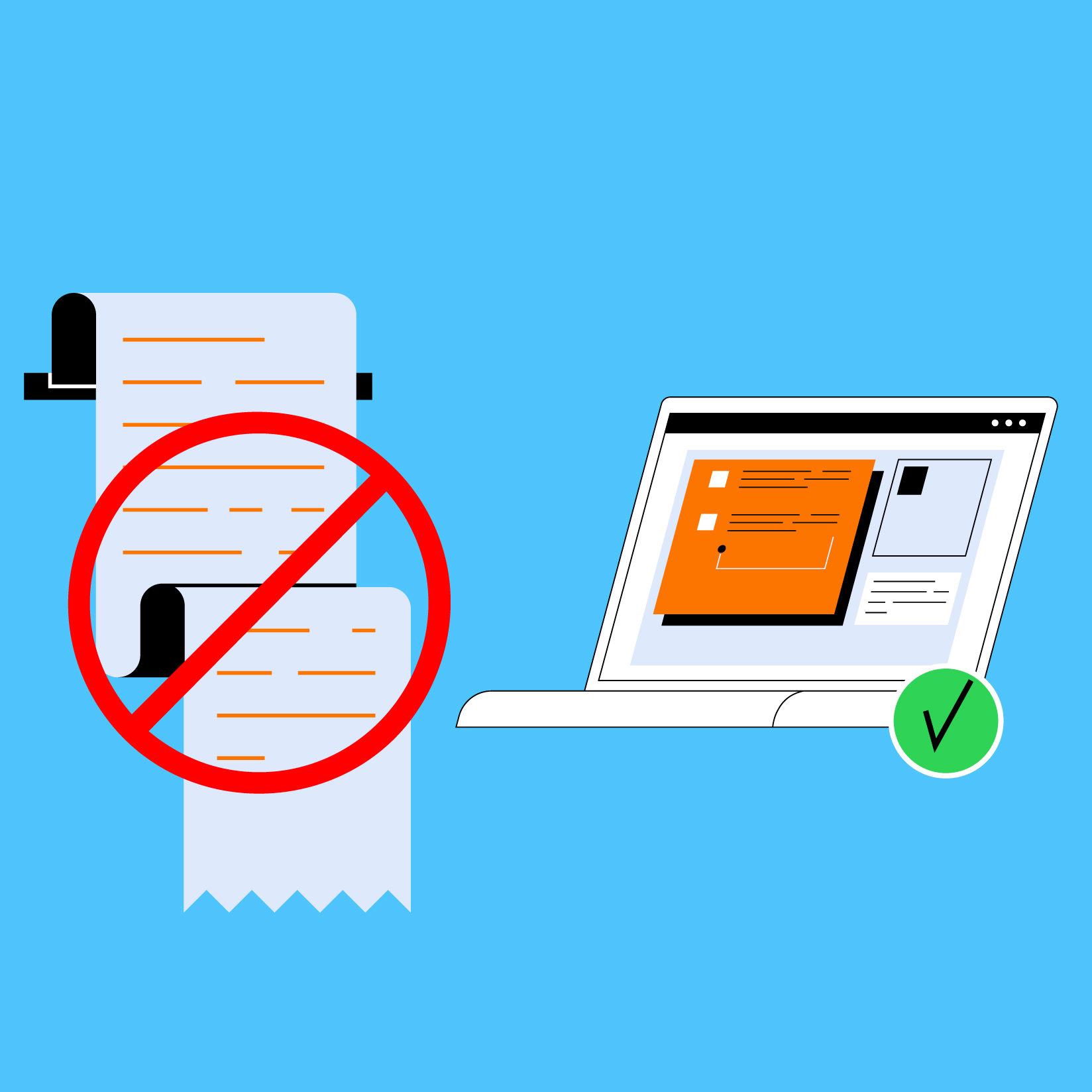
Downloading and storing statements digitally each month, through a service like paperlesskenya.co.ke, ensures years of statements remain accessible without cluttering physical files or risking loss.
Treating bank statements as a genuine monthly management tool, not just a formality, consistently surfaces useful financial insight most owners would otherwise miss.
Ideally from the very first day of the financial period, through consistent monthly record keeping, rather than treating preparation as a task that begins only close to the filing deadline.
Treating bank statements as a genuine monthly management tool consistently surfaces financial insight that a quick glance would otherwise miss.
Pull up your most recent bank statement right now and read through every line individually, rather than just checking the closing balance, to see what this habit actually reveals.
Treating your statement as a genuine monthly management tool consistently surfaces useful insight that a quick glance would otherwise miss.
This monthly habit, sustained consistently, is a small time investment that pays for itself in caught errors and useful insight.
 Paperless